
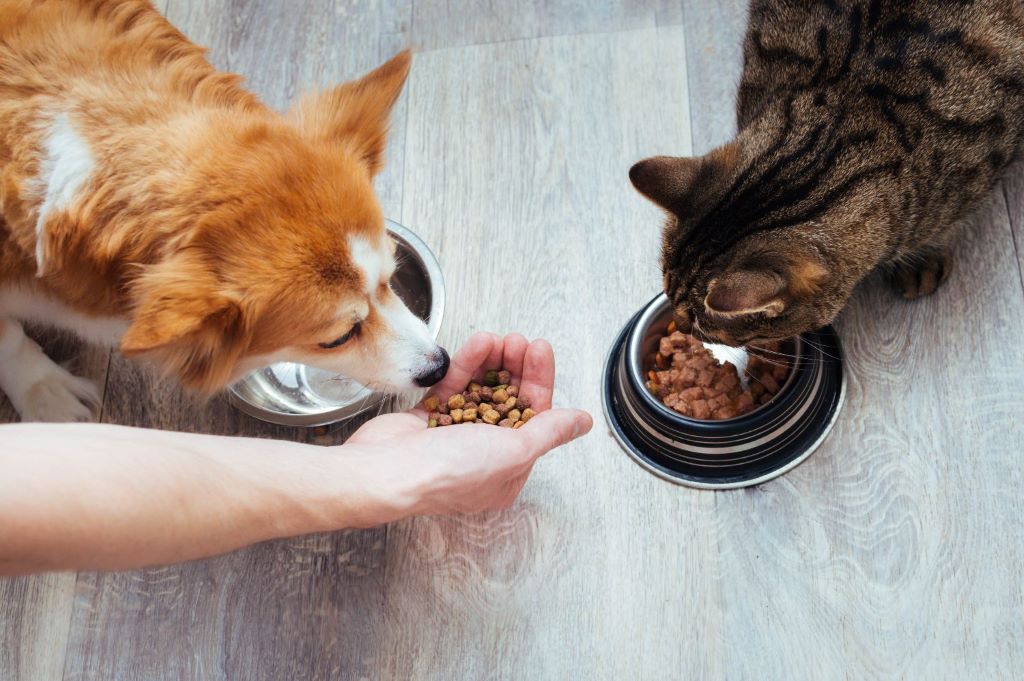
Every pet owner wants their furry friend to live a long, happy, and energetic life. Yet, most don’t realize that the foundation of their pet’s health starts in the food bowl. A staggering 60% of dogs and cats in the U.S. are overweight or obese, according to the Association for Pet Obesity Prevention. The culprit? Poor diet choices. But here’s the good news: Switching to healthy pet food can add years to your pet’s life, boost their energy, and even prevent chronic diseases.
I’ve spent over a decade studying pet nutrition, working with veterinarians, and testing diets on my own animals. The difference between pets fed on generic kibble and those on a thoughtfully chosen diet is night and day. This guide isn’t about trends or marketing hype. It’s about science-backed, practical advice to help you navigate the overwhelming world of pet food.
You’ll learn how to read labels like a pro, avoid harmful ingredients, and tailor a diet to your pet’s unique needs. By the end, you’ll have the confidence to choose foods that nourish your pet from the inside out—setting them up for a lifetime of tail wags and purrs.
The Shocking Truth About Pet Food: What You Don’t Know Could Hurt Your Pet
The Pet Food Industry’s Dirty Little Secrets
Walk down the pet food aisle, and you’ll see bags labeled “natural,” “premium,” and “holistic.” But here’s the catch: The pet food industry is largely self-regulated. Terms like these have no legal definition. A 2023 investigation by the Clean Label Project found that many top-selling pet foods contain heavy metals, pesticides, and other contaminants.
The logic is simple: Not all pet foods are created equal. Some are formulated for profit, not health. Others are backed by rigorous research and quality ingredients.
The Link Between Diet and Disease
Poor nutrition doesn’t just lead to weight gain. It’s connected to:
- Diabetes (especially in cats).
- Kidney disease.
- Allergies and skin conditions.
- Joint problems and arthritis.
A study published in the Journal of Animal Science revealed that dogs fed a high-quality diet lived an average of 2.5 years longer than those on low-quality food. The right diet isn’t just about avoiding illness—it’s about thriving.
The Myth of “One Size Fits All” Pet Food
No two pets are the same. Age, breed, activity level, and health status all influence nutritional needs. A high-energy Border Collie requires a different diet than a senior Chihuahua. Feeding the wrong formula can lead to deficiencies or excesses that harm your pet over time.
Example: Large-breed puppies need food with controlled calcium levels to prevent skeletal issues. Feeding them a generic puppy formula can cause lifelong joint problems.
How to Choose Healthy Pet Food: A Step-by-Step Guide
Step 1: Decode the Label Like a Pro
Pet food labels are confusing by design. Here’s what to look for—and what to avoid.
Red Flags:
- Vague terms like “meat meal” or “by-products.” These can include low-quality, unidentified ingredients.
- Artificial colors, flavors, or preservatives (e.g., BHA, BHT, ethoxyquin).
- Fillers like corn, wheat, and soy, which offer little nutritional value.
Green Lights:
- Named protein sources (e.g., “chicken,” “salmon,” “beef”).
- Whole foods like sweet potatoes, peas, and blueberries.
- A statement that the food meets AAFCO (Association of American Feed Control Officials) standards.
Pro tip: The first five ingredients should be whole foods. If you see corn or “meat meal” in the top spots, put the bag back.
Step 2: Understand Your Pet’s Unique Needs
Consider these factors when choosing food:
- Life stage: Puppy/kitten, adult, or senior.
- Breed size: Small, medium, or large.
- Activity level: Couch potato or athlete.
- Health conditions: Allergies, diabetes, or kidney disease.
Example: A senior cat with kidney issues needs a low-phosphorus, high-moisture diet. A generic senior formula won’t cut it.
Step 3: Wet Food vs. Dry Food vs. Raw: What’s Best?
Each type of food has pros and cons. The best choice depends on your pet’s needs and your lifestyle.
Dry Food (Kibble):
- Pros: Convenient, affordable, and good for dental health.
- Cons: Lower moisture content, often higher in carbs.
Wet Food:
- Pros: High moisture (great for cats), palatable, and often higher in protein.
- Cons: More expensive, spoils quickly.
Raw Food:
- Pros: Mimics a natural diet, high in protein, and free from fillers.
- Cons: Risk of bacterial contamination, requires careful handling.
Hybrid Approach:
Many pet owners mix wet and dry food for balance. Others add raw or cooked meat as a topper.
Step 4: Look for the AAFCO Statement
The AAFCO statement on the label indicates whether the food is “complete and balanced” for your pet’s life stage. Without this, the food may not meet your pet’s nutritional needs.
Example: “Formulated to meet the nutritional levels established by the AAFCO Dog Food Nutrient Profiles for maintenance.”
Step 5: Avoid These Dangerous Ingredients
Some ingredients are downright harmful. Steer clear of:
- Artificial preservatives: BHA, BHT, and ethoxyquin are linked to cancer.
- Artificial colors: Red 40, Blue 2, and Yellow 5 can cause allergies.
- Propylene glycol: A moisture retainer that can cause anemia in cats.
- Rendered fats: These can contain contaminants and offer no nutritional value.
Step 6: Consider the Brand’s Reputation
Not all pet food brands are trustworthy. Look for companies that:
- Employ veterinary nutritionists.
- Conduct feeding trials (not just lab tests).
- Have a history of transparency and recalls (yes, recalls can be a good sign—they show the company monitors quality).
Example: Brands like Royal Canin, Hill’s Science Diet, and Purina Pro Plan invest heavily in research and quality control.
Step 7: Transition Slowly to New Food
Switching food too quickly can upset your pet’s stomach. Transition over 7-10 days:
- Days 1-3: 25% new food, 75% old food.
- Days 4-6: 50% new food, 50% old food.
- Days 7-9: 75% new food, 25% old food.
- Day 10: 100% new food.
Pro tip: Watch for signs of digestive upset, like vomiting or diarrhea. If they occur, slow the transition.

Pet Nutrition Guide: What Your Dog or Cat Really Needs
Dogs: The Omnivores With Carnivorous Cravings
Dogs thrive on a balanced diet of:
- Protein: Essential for muscle maintenance. Look for named sources like chicken, beef, or fish.
- Fats: Provide energy and support skin/coat health. Omega-3 and Omega-6 fatty acids are crucial.
- Carbohydrates: Offer energy and fiber. Opt for whole grains or grain-free options like sweet potatoes.
- Vitamins and Minerals: Support immune function and overall health. Ensure the food is fortified with essential nutrients.
Breed-Specific Needs:
- Small breeds: Need calorie-dense food for their fast metabolisms.
- Large breeds: Require joint-supporting nutrients like glucosamine and chondroitin.
- Working breeds: Need higher protein and fat levels for endurance.
Cats: The Obligate Carnivores
Cats require animal-based protein to survive. Their diets must include:
- High protein: At least 40% of their diet should be protein from meat or fish.
- Taurine: An essential amino acid found only in animal tissue. Deficiency can cause blindness and heart disease.
- Low carbohydrates: Cats lack the enzymes to digest carbs efficiently.
- Moisture: Cats evolved to get water from their prey. Wet food or a raw diet helps prevent dehydration and urinary issues.
Life Stage Needs:
- Kittens: Need high-protein, high-fat food for growth.
- Adults: Require balanced nutrition to maintain health.
- Seniors: Need easily digestible protein and joint support.
Dog Cat Diet Tips: Real-Life Examples of Healthy Pet Diets
Case Study 1: The Overweight Dachshund Who Shed Pounds
Max, a 7-year-old Dachshund, was 30% overweight. His owner switched him to a high-protein, low-carb diet with measured portions. Within six months, Max lost the extra weight and regained his energy.
Key Takeaway: Portion control and protein-rich food are essential for weight management.
Case Study 2: The Cat With Urinary Issues Who Thrive
Luna, a 5-year-old domestic shorthair, suffered from recurrent urinary tract infections. Her vet recommended a high-moisture, low-magnesium diet. After switching to wet food, Luna’s UTIs stopped, and her coat became shinier.
Key Takeaway: Moisture and mineral balance are critical for feline urinary health.
Case Study 3: The Senior Lab With Joint Problems
Duke, a 10-year-old Labrador, struggled with arthritis. His owner added a joint-support supplement and switched to a food rich in omega-3s. Within weeks, Duke’s mobility improved, and he was back to playing fetch.
Key Takeaway: Omega-3s and joint-supporting nutrients can transform a senior dog’s quality of life.
Common Mistakes That Ruin Your Pet’s Diet
1. Feeding Human Food Without Research
Some human foods are toxic to pets (e.g., chocolate, grapes, onions). Others, like lean meats and veggies, can be healthy in moderation. Always research before sharing your plate.
2. Overfeeding Treats
Treats should make up no more than 10% of your pet’s daily calories. Too many treats lead to obesity and nutritional imbalances.
3. Ignoring Portion Sizes
Overfeeding is just as dangerous as poor-quality food. Use a measuring cup or scale to portion meals accurately.
4. Switching Foods Too Often
Frequent changes can cause digestive upset. Stick to one high-quality food unless your vet recommends a switch.
5. Falling for Marketing Gimmicks
Terms like “grain-free,” “natural,” and “organic” don’t always mean healthier. Focus on the ingredients, not the buzzwords.
6. Neglecting Hydration
Pets need fresh water at all times. Cats, in particular, are prone to dehydration. Consider a pet fountain to encourage drinking.
7. Skipping Regular Vet Checkups
Your vet can catch nutritional deficiencies or health issues early. Annual (or bi-annual for seniors) checkups are a must.
Expert Tips: How to Supercharge Your Pet’s Diet
Tip 1: Rotate Proteins for Optimal Health
Feeding the same protein source can lead to sensitivities. Rotate between chicken, beef, fish, and lamb to provide a range of nutrients.
Tip 2: Add Fresh Food Toppers
Boost your pet’s meals with fresh, pet-safe foods like:
- Cooked lean meats (chicken, turkey, beef).
- Steamed veggies (carrots, green beans, pumpkin).
- Fruits (blueberries, apples, bananas).
Example: Adding a spoonful of cooked salmon to your dog’s kibble increases protein and omega-3s.
Tip 3: Consider Supplements for Targeted Support
Supplements can fill nutritional gaps. Talk to your vet about:
- Fish oil: For skin, coat, and joint health.
- Probiotics: For digestive health.
- Glucosamine/chondroitin: For joint support.
Tip 4: Make Mealtime Engaging
Use puzzle feeders or slow feeders to make eating an activity. This prevents gulping and boredom.
Tip 5: Monitor Your Pet’s Weight and Energy
Keep a log of your pet’s weight, energy levels, and stool quality. Changes can signal that their diet needs adjustment.
Tip 6: Cook Homemade Meals (Safely)
Homemade diets can be healthy but must be balanced. Work with a veterinary nutritionist to create recipes that meet your pet’s needs.
Tip 7: Transition to Adult or Senior Food at the Right Time
Puppies and kittens should switch to adult food at 12 months (or earlier for large breeds). Seniors may need a diet change around age 7.
Related Topics:
FAQs: Your Top Questions About Healthy Pet Food
1. Is grain-free food better for my pet?
Not necessarily. Grain-free diets have been linked to heart disease in some dogs (DCM). Unless your pet has a grain allergy, a balanced diet with whole grains is fine.
2. How do I know if my pet’s food is high-quality?
Look for named protein sources, whole foods, and an AAFCO statement. Avoid artificial additives and fillers.
3. Can I feed my pet a vegetarian or vegan diet?
Dogs can survive on a carefully balanced vegetarian diet, but cats cannot—they require animal protein. Always consult your vet before making dietary changes.
4. How often should I feed my pet?
Puppies and kittens need 3-4 meals a day. Adults do well with 2 meals. Seniors may benefit from smaller, more frequent meals.
5. What’s the best way to switch my pet’s food?
Transition slowly over 7-10 days to avoid digestive upset. Mix increasing amounts of the new food with the old.
6. Are raw diets safe for pets?
Raw diets can be nutritious but carry risks of bacterial contamination. If you choose raw, handle it carefully and consult your vet.
7. How can I tell if my pet’s food is making them sick?
Watch for vomiting, diarrhea, lethargy, or changes in appetite. If these occur, switch back to the old food and consult your vet.
Conclusion: Give Your Pet the Gift of a Long, Healthy Life
Choosing healthy pet food isn’t just about filling a bowl. It’s about investing in your pet’s longevity, happiness, and vitality. With the right knowledge, you can navigate the pet food aisle with confidence, avoid harmful ingredients, and tailor a diet that meets your pet’s unique needs.
Remember: Your pet’s health starts with what they eat. Every meal is an opportunity to nourish them for a life full of energy, play, and love.
Your next step? Review your pet’s current diet. Compare it to the tips in this guide, and make one small improvement today. Whether it’s switching to a higher-quality food or adding a fresh topper, your pet will thank you with wagging tails and happy purrs.
Ready to Upgrade Your Pet’s Diet?
Pick one action from this guide—whether it’s reading a label more carefully or consulting your vet about a diet change. Small steps lead to big results.
Your pet’s healthiest life starts with their next meal.

