
Many pet owners wonder whether their furry companions can safely consume regular cow’s milk. The answer is more complex than a simple yes or no. Understanding how pet milk differs from regular milk helps you make informed decisions about your animal’s diet and digestive health.
What Makes Pet Milk Different from Regular Milk
Pet milk is specifically formulated for animals, particularly cats and dogs. Regular milk comes from cows and is designed for human consumption. The key difference lies in lactose content and digestibility.
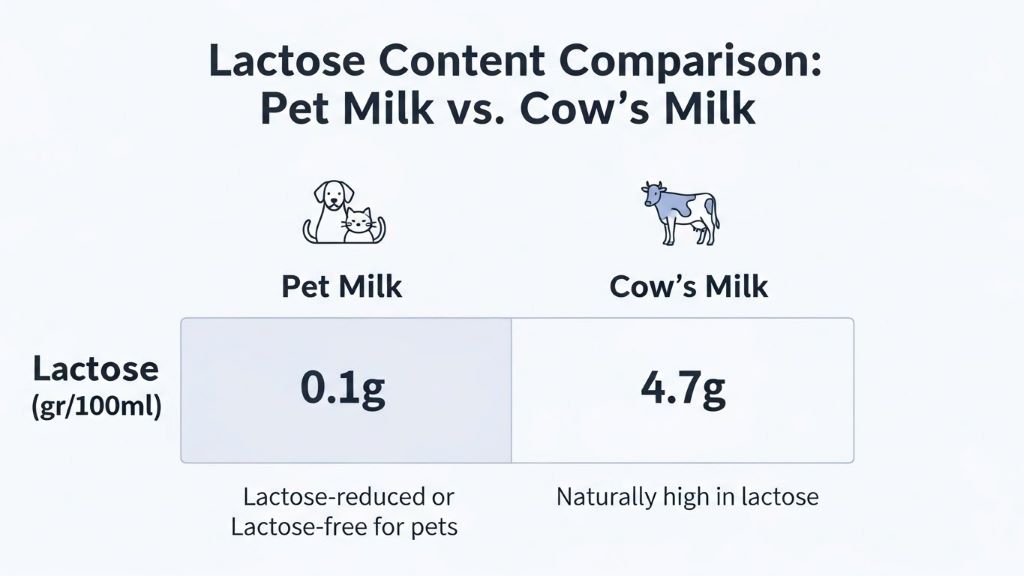
Regular cow’s milk contains approximately 5 percent lactose. This natural sugar requires the enzyme lactase to break down properly. Most adult pets produce significantly less lactase than humans do. Therefore, they struggle to digest regular milk efficiently.
Pet milk manufacturers reduce or remove lactose during processing. Additionally, they add nutrients that support animal health. These products often include taurine for cats and other essential vitamins. The modified composition makes pet milk easier for animals to digest.
How Lactose Affects Pet Digestion
Lactose intolerance is common among adult dogs and cats. Kittens and puppies produce adequate lactase when nursing. However, production decreases as they mature and transition to solid foods.
When pets consume regular milk, undigested lactose moves through their intestines. Bacteria in the gut ferment this sugar, creating gas and discomfort. The result is often diarrhea, bloating, and stomach upset.
Symptoms typically appear within 8 to 12 hours of consumption. Some pets experience mild reactions, while others become quite ill. The severity depends on individual lactase production and the amount consumed.
Pet milk contains minimal or zero lactose. Consequently, it bypasses these digestive issues entirely. Animals can enjoy the taste without experiencing uncomfortable side effects.
Nutritional Content Comparison
Regular milk provides calcium, protein, and vitamins beneficial for humans. A single cup contains about 8 grams of protein and 300 milligrams of calcium. However, these nutrients are not optimally balanced for pet physiology.
Pet milk offers tailored nutrition for animal needs. Manufacturers adjust protein ratios and add species-specific nutrients. For example, cat milk replacers include higher fat content than dog formulas. This matches the natural composition of feline mother’s milk.
Regular milk also contains casein and whey proteins. These can trigger allergies in sensitive pets. Pet milk formulas often use hydrolyzed proteins, which are easier to digest and less likely to cause reactions.
The fat content in regular whole milk is around 3.5 percent. Pet milk products vary in fat levels depending on the target species. Additionally, pet formulas avoid additives that might harm animals, such as xylitol or chocolate flavoring.
Digestive System Differences Between Pets and Humans
Human digestive systems evolved to process dairy throughout adulthood in many populations. This adaptation occurred over thousands of years in cultures with dairy farming traditions. Most pets lack this evolutionary adaptation.
Dogs and cats have shorter digestive tracts than humans. Food passes through their systems more quickly. Therefore, incomplete digestion can cause rapid onset of symptoms. Their stomachs produce different enzyme ratios optimized for meat-based diets.
The pH levels in pet stomachs are more acidic than human stomachs. This helps them digest raw proteins and bones. However, it does not improve lactose digestion. Enzyme production remains the limiting factor.
Furthermore, the bacterial composition in pet intestines differs from humans. These microorganisms are not equipped to handle large amounts of dairy. Introducing regular milk can disrupt this delicate balance and cause digestive distress.
Signs Your Pet Cannot Tolerate Regular Milk
Recognizing intolerance symptoms helps you respond quickly. Diarrhea is the most common sign of lactose intolerance in pets. It may appear loose, watery, or more frequent than usual.
Vomiting can occur shortly after consumption. Some pets experience abdominal pain and may assume a hunched posture. Excessive gas and bloating are also telltale signs.
Behavioral changes often accompany digestive upset. Your pet may become lethargic or refuse food. Some animals show increased restlessness or discomfort. These symptoms warrant discontinuing milk immediately.
Chronic consumption of regular milk can lead to more serious issues. Dehydration from persistent diarrhea requires veterinary attention. According to the American Kennel Club, repeated exposure to lactose can damage the intestinal lining over time.

When Pet Milk Is Recommended
Pet milk serves specific purposes in animal care. Orphaned kittens and puppies require milk replacers when maternal milk is unavailable. These formulas closely mimic natural mother’s milk composition.
Senior pets sometimes benefit from the additional hydration and nutrition. However, this should only be occasional and in small amounts. Pet milk can also help administer medications by masking unpleasant tastes.
Some pet owners use milk as a treat or reward. In these cases, lactose-free pet milk is the safest option. It provides enjoyment without health risks. Nevertheless, moderation remains important even with specially formulated products.
Transitioning pets to new diets sometimes involves milk replacers. Young animals weaning from mother’s milk to solid food may need temporary supplementation. Your veterinarian can recommend appropriate products and amounts.
Alternatives to Both Pet Milk and Regular Milk
Water should always be the primary beverage for pets. It provides essential hydration without digestive complications. Fresh, clean water should be available at all times.
Bone broth offers nutritional benefits without lactose. It contains minerals, amino acids, and collagen. Many pets find it appealing and it supports joint health. Ensure the broth contains no onions, garlic, or excessive sodium.
Goat’s milk is sometimes better tolerated than cow’s milk. It contains less lactose and smaller fat molecules. However, it still poses risks for lactose-intolerant animals. Therefore, it should only be offered in small quantities.
Lactose-free dairy products designed for humans might seem like alternatives. However, they may contain ingredients unsuitable for pets. Always choose products specifically formulated for animals when offering dairy-based treats.
Making Safe Choices for Your Pet
Consulting your veterinarian is the best first step. They can assess your individual pet’s digestive capabilities and nutritional needs. Some animals tolerate small amounts of dairy better than others.
If you want to test tolerance, start with tiny amounts. One or two teaspoons is sufficient for initial trials. Monitor your pet closely for 24 hours afterward. Any signs of distress mean dairy should be avoided.
Reading product labels carefully ensures safety. Look for lactose-free designations on pet milk products. Check ingredient lists for potential allergens or harmful additives. The American Veterinary Medical Association emphasizes the importance of species-appropriate nutrition.
Remember that milk is not nutritionally necessary for adult pets. Their complete diet should come from balanced commercial food or veterinarian-approved homemade meals. Treats and supplements should comprise less than 10 percent of daily caloric intake.
Conclusion
Pet milk and regular milk differ significantly in composition and digestibility. Regular cow’s milk contains lactose that most adult pets cannot properly digest. This leads to uncomfortable symptoms like diarrhea, gas, and vomiting. Pet milk is specially formulated with reduced or eliminated lactose, making it safer for animal consumption.
Understanding your pet’s digestive system helps prevent unnecessary discomfort. Most dogs and cats are lactose intolerant after weaning. Therefore, water remains the best beverage choice for hydration. When dairy is appropriate, choose products specifically designed for animals. Always introduce new foods gradually and monitor for adverse reactions. Consulting your veterinarian ensures you make the healthiest choices for your beloved companion.
Frequently Asked Questions
Can I give my cat regular milk as a treat?
Most adult cats are lactose intolerant and will experience digestive upset from regular milk. Even small amounts can cause diarrhea and discomfort. If you want to offer milk as a treat, choose lactose-free cat milk instead.
Is pet milk necessary for healthy adult dogs?
No, adult dogs do not need milk of any kind. They receive complete nutrition from balanced dog food and fresh water. Pet milk can be an occasional treat but is not nutritionally essential.
How much pet milk can I safely give my pet?
Limit pet milk to small amounts, treating it as you would any snack. Generally, treats should not exceed 10 percent of daily calories. Start with one or two tablespoons and observe how your pet responds.
What should I do if my pet drinks regular milk and gets sick?
Stop giving milk immediately and provide plenty of fresh water. Most symptoms resolve within 24 hours. If diarrhea persists beyond two days or your pet shows signs of dehydration, contact your veterinarian.
Are there any pets that can safely digest regular milk?
Some individual pets retain higher lactase production into adulthood, making them more tolerant of lactose. However, this is relatively rare. Testing tolerance requires careful monitoring and small quantities initially.
Related Topics:
How to Create a Balanced Diet for Cat

