
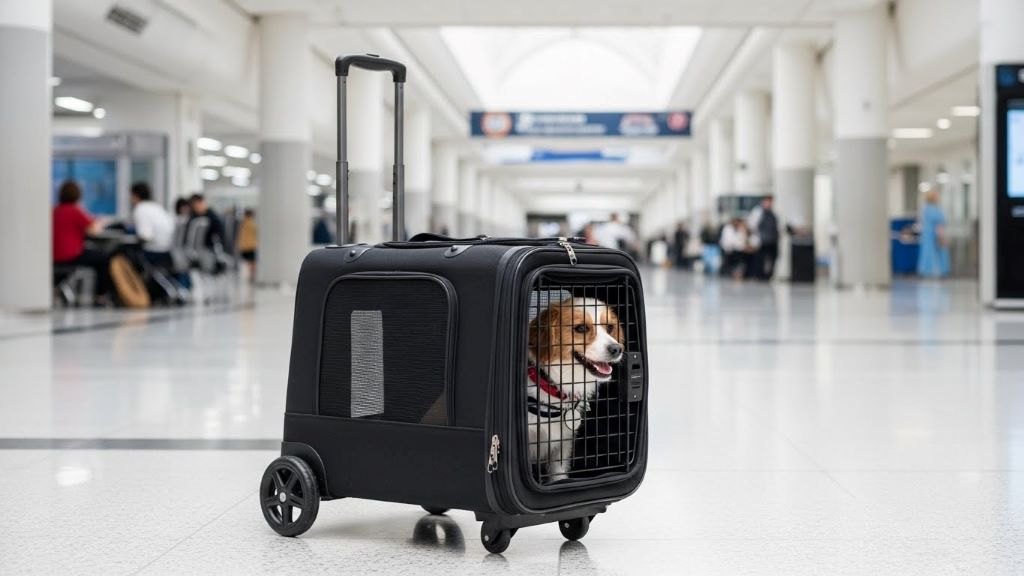
Traveling with pets can be challenging, especially during long airport layovers. A pet travel carrier with wheels offers a practical solution for pet owners who want to keep their furry companions comfortable while navigating busy terminals. These innovative carriers combine mobility with safety, making extended airport stays less stressful for both pets and their owners.
Why Choose a Wheeled Pet Carrier for Airport Travel
Long layovers test your endurance and patience. Additionally, they can be equally taxing on your pet. Traditional pet carriers require you to carry the weight on your shoulder or in your hand. However, wheeled carriers eliminate this physical strain entirely.
Airport terminals span vast distances. You might walk several miles between gates during a layover. Therefore, a carrier with wheels becomes essential rather than optional. Your pet stays secure while you roll the carrier effortlessly through corridors, security checkpoints, and boarding areas.
Moreover, wheeled carriers reduce the risk of dropping or jostling your pet. The smooth rolling motion keeps your companion calm and comfortable. This stability matters greatly during stressful travel situations.
Key Features to Look for in Airport Pet Carriers
Not all wheeled pet carriers suit airport travel equally well. Several features distinguish excellent options from mediocre ones.
First, consider ventilation. Your pet needs adequate airflow during long waits. Look for carriers with mesh panels on multiple sides. These panels allow your pet to see out while maintaining good air circulation.
Second, examine the wheel quality. Sturdy, smooth-rolling wheels make navigation easier. The best carriers feature 360-degree swivel wheels that maneuver well in tight spaces. Airport crowds demand agility from your carrier.
Third, check airline compliance. According to the U.S. Department of Transportation, carriers must meet specific size requirements for cabin travel. Most airlines require carriers to fit under the seat in front of you. Therefore, verify dimensions before purchasing.
Furthermore, collapsibility adds convenience. Some carriers fold flat for storage when not in use. This feature proves valuable if you travel frequently but need to store the carrier between trips.
Size Considerations for Different Pets
Choosing the right size ensures your pet’s comfort during extended layovers. Measure your pet carefully before selecting a carrier.
Small dogs and cats typically fit in standard airline-approved wheeled carriers. These usually measure around 18 inches long by 11 inches wide by 11 inches high. Your pet should stand, turn around, and lie down comfortably inside.
Medium-sized pets need larger carriers. However, remember that larger carriers might not fit under airplane seats. You may need to check them as cargo on some flights. Always verify with your specific airline beforehand.
Additionally, consider your pet’s behavior. Anxious pets benefit from slightly smaller, cozier spaces that feel secure. Conversely, active pets appreciate extra room to move around during long waits.
Making Your Pet Comfortable During Layovers
Long airport layovers require special attention to your pet’s needs. Preparation makes all the difference.
Line the carrier with familiar bedding. Your pet’s favorite blanket provides comfort and reduces anxiety. The familiar scent helps them feel more secure in unfamiliar surroundings.
Pack essential supplies in an easily accessible pocket. Include waste bags, treats, a collapsible water bowl, and any medications. Many airports now feature pet relief areas, as noted by USA Today. These designated spaces allow your pet to stretch and relieve themselves during layovers.
Furthermore, maintain your pet’s routine as much as possible. Feed them at regular times if the layover permits. Offer water frequently to prevent dehydration. The recycled air in airports can be particularly drying.
Spend time interacting with your pet during waits. Talk to them softly through the mesh panels. This reassurance helps reduce travel stress significantly.
Navigating Airport Security with Wheeled Pet Carriers
Security checkpoints present unique challenges when traveling with pets. Understanding procedures beforehand streamlines the process.
You cannot send your pet through the X-ray machine in their carrier. Instead, you must carry your pet through the metal detector while the empty carrier goes through screening. Therefore, practice holding your pet securely before travel day.
Keep your pet’s leash easily accessible. Many pet owners clip a leash inside the carrier for quick access. This preparation prevents escape attempts during the security process.
Additionally, arrive at the airport extra early when traveling with pets. Security screening takes longer with animals. The Transportation Security Administration recommends arriving at least two hours before domestic flights and three hours before international flights.

Durability and Quality Materials
A wheeled pet carrier represents a significant investment. Consequently, quality construction ensures long-term value.
Look for carriers made from durable fabrics like ballistic nylon or heavy-duty polyester. These materials withstand frequent use and resist tears or punctures. Reinforced stitching at stress points prevents premature wear.
The frame should be sturdy yet lightweight. Metal frames offer superior strength but add weight. Quality plastic frames provide adequate support while keeping the carrier lighter.
Furthermore, examine zippers carefully. Heavy-duty zippers with secure closures prevent accidental openings. Your pet’s safety depends on reliable fastening mechanisms.
Water-resistant materials protect your pet from spills or weather exposure during outdoor walks between terminals. This feature proves especially valuable during unexpected delays.
Storage and Maintenance Between Trips
Proper care extends your carrier’s lifespan considerably. Simple maintenance habits keep it fresh and functional.
Clean the carrier thoroughly after each trip. Remove bedding and wash all removable fabric components. Wipe down hard surfaces with pet-safe disinfectant. This cleaning prevents odor buildup and bacteria growth.
Store the carrier in a cool, dry place away from direct sunlight. UV exposure degrades fabrics over time. If your carrier collapses, fold it properly to prevent creasing or damage to structural elements.
Additionally, inspect wheels and zippers periodically. Tighten loose screws and lubricate wheels if they become stiff. These small maintenance tasks prevent bigger problems later.
Budget Considerations and Value
Wheeled pet carriers range from budget-friendly to premium options. Understanding value helps you make informed decisions.
Entry-level carriers start around forty to sixty dollars. These basic models work adequately for occasional travel. However, they may lack durability for frequent flyers.
Mid-range options typically cost between eighty and one hundred fifty dollars. These carriers offer better construction, more features, and improved comfort for your pet. Most regular travelers find this price range offers the best value.
Premium carriers exceed two hundred dollars. They feature superior materials, innovative designs, and enhanced comfort features. Frequent travelers who prioritize quality often consider these worthwhile investments.
Therefore, evaluate your travel frequency before deciding. Occasional travelers might choose budget options, while frequent flyers benefit from higher-quality carriers.
Conclusion
A pet travel carrier with wheels transforms long airport layovers from stressful ordeals into manageable experiences. These carriers provide mobility, comfort, and convenience for both pets and owners. When selecting a carrier, prioritize ventilation, wheel quality, airline compliance, and appropriate sizing for your pet. Prepare thoroughly for layovers by packing essential supplies and familiarizing yourself with airport procedures. Quality construction ensures your investment lasts through many trips. Whether you travel occasionally or frequently, a wheeled pet carrier makes airport navigation with your furry companion significantly easier. The right carrier ultimately provides peace of mind, knowing your pet stays safe and comfortable throughout your journey.
Frequently Asked Questions
Can I use a wheeled pet carrier as a carry-on item?
Yes, most wheeled pet carriers designed for airline travel meet carry-on size requirements. However, you should always verify specific dimensions with your airline before traveling, as requirements vary between carriers.
How do I help my anxious pet adjust to a wheeled carrier?
Introduce the carrier gradually at home before travel. Place treats and toys inside, allow your pet to explore it freely, and take short practice trips. Positive associations help reduce anxiety significantly.
Are wheeled pet carriers allowed in airplane cabins?
Most airlines permit wheeled carriers in cabins if they fit under the seat and meet size requirements. However, some budget airlines have stricter policies. Always check with your specific airline beforehand.
How often should I let my pet out during long layovers?
Visit pet relief areas every two to three hours during extended layovers. This schedule allows your pet to stretch, relieve themselves, and reduce stress from prolonged confinement.
What size wheeled carrier do I need for my pet?
Measure your pet from nose to tail base and ground to shoulder. Add two to three inches to each measurement. Your pet should comfortably stand, turn around, and lie down inside the carrier.
Related Topics:
How to Travel with Pets Overseas: A Complete Guide
How to Choose the Best Pet Carrier for Air Travel: A Comprehensive Guide

