
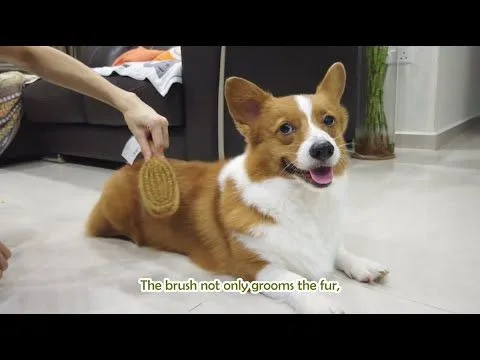
Your corgi's coat is a majestic, shedding machine, and if you're reading this, you're probably losing the battle against the fur tumbleweeds taking over your living room. Learning how to groom a corgi at home is the single best way to reclaim your floors, your furniture, and your sanity without spending a fortune at the groomer every month. It's not just about looks; regular grooming is essential for your dog's skin health, comfort, and overall well-being.
Here's the good news: you don't need a professional degree to do it right. You just need the right tools, a solid routine, and a bit of patience. As of 2026, veterinary guidelines and breed standards from organizations like the American Kennel Club emphasize that proper double-coat maintenance is a cornerstone of corgi care, preventing everything from painful mats to skin infections.
So, grab a brush, and let's get started on turning this chore into a bonding experience.
Quick Answer
To groom a corgi at home, brush them 3-4 times weekly with an undercoat rake and slicker brush. Bathe every 6-8 weeks using dog-safe shampoo. Trim nails every 3-4 weeks, check ears weekly, and never shave their double coat.
This routine minimizes shedding and keeps skin healthy.
The Truth About Corgi Coats (And Why Shaving Is Never the Answer)
Before you pick up any tool, you need to understand what you're working with. Corgis, both Pembrokes and Cardigans, have a double coat. This means they have a soft, dense undercoat that acts as insulation, and a coarser, longer topcoat that repels water and dirt.
This combination is their natural temperature regulation system, keeping them warm in winter and cool in summer.
This is where most new corgi owners go wrong. The instinct to shave a heavy shedder to "cool them down" or reduce fur is strong, but it's a huge mistake. Shaving a double coat destroys the texture and function of the fur.
It often grows back patchy, discolored, and wiry, and in some cases, it can be permanently damaged, leaving your dog unprotected from the elements. If your corgi gets too hot, it's on you to provide shade, water, and air conditioning, not a buzz cut.
The second truth you need to accept is that corgis shed constantly. They don't just shed in spring and fall; they shed all year round. 'Blowing coat' is the term for the intense shedding period that happens a couple of times a year when the undercoat comes out in clumps.
During these peak times, you'll need to brush daily. The rest of the year, you're just managing the baseline fur production that corgis are famous for. Accepting this reality is the first step to a cleaner home.
The Essential Corgi Grooming Kit (What You Really Need vs. What's a Waste)
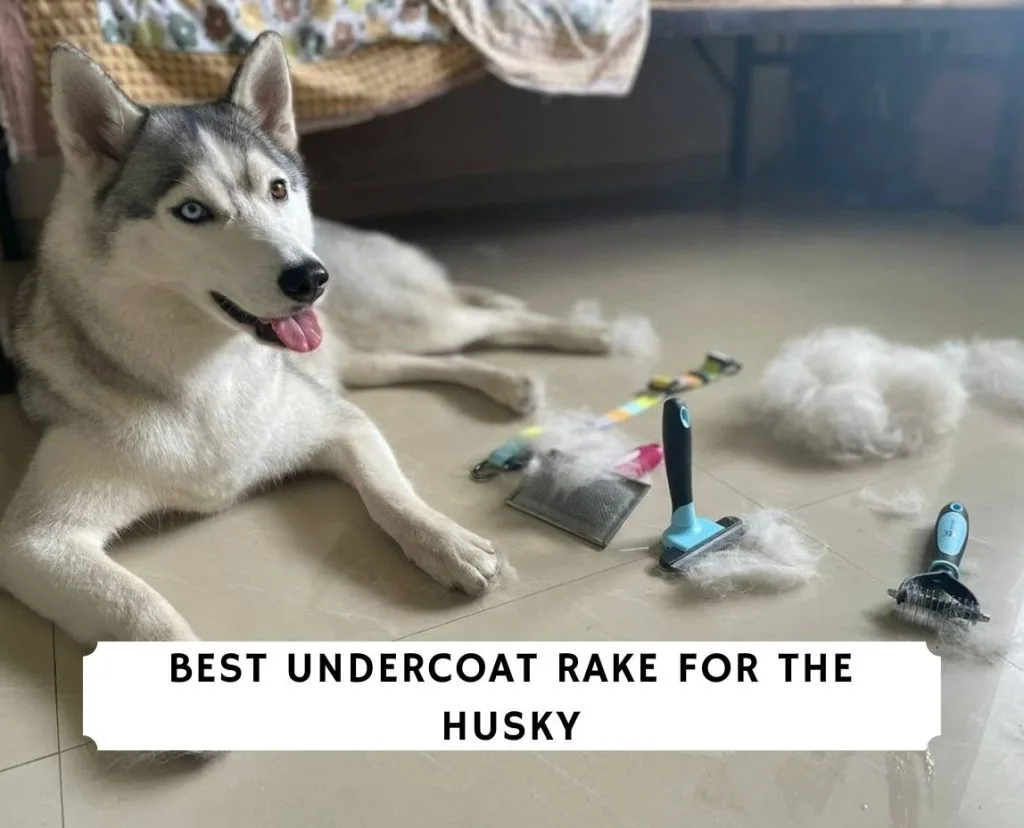
You don't need a wall full of fancy equipment, but you do need the right specific tools. Walking into a pet store can be overwhelming, so here's the breakdown of what actually matters for a corgi, based on our research and aggregate owner reviews. Standard human brushes or cheap plastic combs won't cut it, and they can actually be painful for your dog.
Your Grooming Arsenal
- Undercoat Rake: This is non-negotiable. It has long, rounded metal teeth designed to reach deep into the undercoat and pull out the loose, dead fur without cutting the topcoat. This is your primary weapon against shedding.
- Slicker Brush: A flat brush with fine, bent wire bristles. This is for the topcoat and finishing work. It removes loose hair, tangles, and debris, smoothing the fur and giving it a nice shine. Look for one with an ergonomic, non-slip handle.
- Stainless Steel Comb: A wide-tooth comb is essential for checking your work and getting into the tricky spots like the ruff around the neck, behind the ears, and the feathering on the back of the legs.
- Nail Clippers or Grinder: Corgis have fast-growing black or white nails. You can use scissor-style clippers or a rotary grinder. The grinder is often less stressful as it avoids the crushing action of clippers.
- Dog-Safe Shampoo and Conditioner: Never use human shampoo. Dogs have different skin pH levels, and human products can dry out their skin and strip natural oils.
- Ear Cleaning Solution and Cotton Balls: Essential for preventing the ear infections that corgis are prone to.
- High-Value Treats: Grooming goes a lot smoother with a well-stocked treat jar. You're not bribing; you're rewarding them for good behavior and building a positive association.
Step-by-Step Brushing Routine: How to Actually Get the Loose Fur Out
Brushing a corgi isn't just about running a brush over their back. There's a specific technique that ensures you're getting the undercoat without damaging the skin or topcoat. This is a process, and following it step-by-step will yield the best results.
Start when your corgi is calm and relaxed, perhaps after a walk or a meal. This will save you a wrestling match.
Here’s the routine that works best, as confirmed by professional grooming standards for double-coated breeds.
Step 1: Start with the Undercoat Rake
Begin with the undercoat rake on the hindquarters and work your way forward. Use long, gentle strokes in the direction of fur growth. You don't need to press hard.
The rake should glide through the topcoat and catch the loose undercoat underneath. You'll see clouds of fluff coming out. This is the payoff.
If you're having to force the rake, you're pressing too hard or the tool is too fine for your dog's coat.
Step 2: Follow Up with the Slicker Brush
Once you've removed the bulk of the undercoat, it's time for the slicker brush. Go over the entire body in the same direction, using gentle, sweeping strokes. This brush smooths the topcoat, removes any remaining loose hairs, and catches any small tangles that the rake missed.
Pay special attention to the rear end and the ruff around the neck. These areas are prone to matting.
Step 3: Use the Comb to Check Your Work
Finally, take your steel comb and check the critical areas. Run it through the feathering on the legs, behind the ears, and under the chin. These are the spots where mats love to form unnoticed.
If the comb glides through without snagging, you're done. If it catches, go back over that section with the slicker brush or rake until it's smooth. This final check is crucial for preventing painful mats.
Bathing Your Corgi Without Ruining Their Coat (or Your Bathroom)
Bathing a corgi is a controlled event, not just a quick rinse. Because of their double coat, they get waterlogged easily, and it takes a long time to dry. Over-bathing can also strip their natural oils and cause itchy, flaky skin.
The general rule of thumb is to bathe them every 6-8 weeks, or only when they're visibly dirty or smelly. Frequent brushing actually reduces the need for baths.
Here’s the safest, most effective bath process. It's a bit of a workout, but the results are worth it.
Pre-Bath Brushing
This step is mandatory. You must thoroughly brush your corgi before you get them wet. This removes all that loose undercoat and dead fur.
Wet fur clumps together and makes mats worse. Brushing first will save you a massive headache and a clogged drain.
The Bathing Process
- Wet the coat thoroughly. Use lukewarm water. Make sure the water soaks all the way down to the skin. A hose attachment for your shower or sink is a big help here.
- Apply dog shampoo. Dilute the shampoo with water in a cup before applying. This helps it spread more evenly. Work it into a lather with your fingers, massaging down to the skin.
- Rinse, then rinse again. This is the most important step. You must get every last bit of shampoo out of the coat. Leftover residue causes skin irritation and a dull, flaky coat.
- Apply conditioner (optional but recommended). Conditioner helps keep the coat smooth and tangle-free. Leave it on for a minute or two, then rinse thoroughly.
Drying
Corgis don't dry quickly. Air drying makes them soggy for hours and can lead to a musty smell. The best method is a high-velocity blow dryer made for dogs, which blows the water out of the coat.
If you don't have one, towel dry them thoroughly, then let them air dry in a warm room. You will get a post-bath zoomie fit, and that's expected. Just enjoy the show.
Easier Than You Think: Nails, Ears, and Paw Care
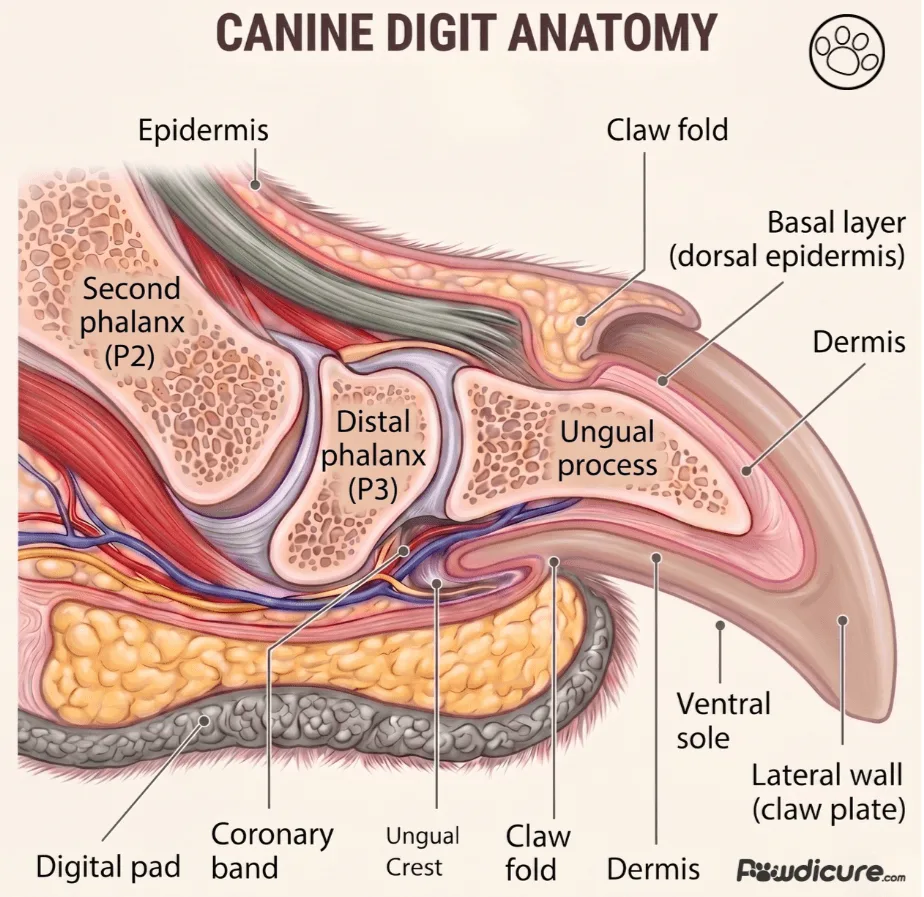
This is the part most owners dread, but it's vital for your corgi's health. If they hear their nails clicking on the floor, they're too long. Long nails can alter their gait, causing joint pain and even leading to arthritis.
This is especially important for a breed already prone to hip and back issues like the corgi. Regular trimming is a key part of their preventative health care.
Nail Trimming Without Stress
If you use clippers, cut small slivers off the tip of the nail, not large chunks. For light-colored nails, you can see the pink 'quick', which is the blood vessel. For dark nails, check the freshly cut surface.
If it's chalky and solid, you have more room to cut. If it starts to look darker and pinker, stop immediately. A nail grinder is often a safer choice.
It lets you shave off tiny bits at a time and smooths the nail down.
If you hit the quick, don't panic. Apply styptic powder or cornstarch to stop the bleeding. It's painful for a few seconds, but they'll be fine.
It happens to everyone, even professionals. The key is to not end the session on that negative note. Give them a treat and a cuddle, and try again in a few days.
Consistency is what builds confidence.
Weekly Ear and Paw Checks
Corgis have upright, erect ears that trap dirt and moisture, making them prone to infections. You should check their ears weekly. Use a cotton ball soaked in a vet-approved ear cleaning solution to gently wipe the inside of the ear flap and the visible part of the canal.
Never stick a cotton swab down into the ear. If you notice redness, a foul odor, or your dog is scratching at them excessively, that's a vet visit, not a home fix.
Paw care is just as simple. Corgis are low to the ground, so they pick up pebbles, burrs, and mud. Check between the toe beans and pads weekly.
Trim any excess hair that grows between the pads, as it can mat and cause discomfort. This simple check prevents limping and keeps their adorable little feet healthy.
Common Grooming Mistakes That Even Experienced Owners Make
Even with the best intentions, we all make mistakes. This section is about recognizing the common errors and avoiding them. The biggest one is using grooming tools incorrectly, which can cause pain and damage.
A little bit of knowledge goes a long way in preventing a bad experience for you and your dog.
A Quick Guide to Avoiding Pitfalls
- Brushing too hard: You're not trying to scrub a stain out of the carpet. Gentle, long strokes are all that's needed. Pressing too hard causes brush burn and skin irritation.
- Ignoring the 'pants': The fur on the back of the hind legs is often neglected. It's a prime spot for matting. Always include this area in your routine.
- Forgetting to check the ears: Ear infections are painful and expensive to treat. A weekly check takes two minutes and can save you a lot of trouble.
- Using the wrong shampoo: Human shampoo disrupts a dog's skin pH balance. You must use a dog-specific formula, or you risk dry, itchy skin and a dull coat.
- Not rewarding good behavior: If grooming is always a negative experience, your corgi will fight it every single time. Make it positive with treats and praise.
If your corgi gets genuinely distressed during grooming, showing signs like lip licking, whale eye, or trying to escape, it's time to stop and reassess. You shouldn't force it. Sometimes, the best course of action is to take a break and try again later.
If you're dealing with severe matting that you can't safely brush out, or you're too nervous to trim those dark nails, then calling a professional groomer is the right call. They have the tools, the experience, and the physical help needed to handle a difficult dog. It's not a failure; it's being a responsible owner.
Frequently Asked Questions About Grooming Corgis at Home
Should I use a Furminator on my corgi?
You need to be careful with deshedding tools like a Furminator. In our research, many groomers advise against them for double-coated breeds. They can cut the topcoat and damage the undercoat if used too aggressively.
A simple undercoat rake is generally safer and just as effective.
How do I get my corgi to sit still for nail trims?
Start slow and pair nail trims with high-value treats. Let them sniff the clippers, then touch their paw, then give a treat. Do one nail at a time and stop before they get stressed.
Short, positive sessions are much more effective than forcing them through a full trim.
Is it okay to use baby wipes instead of a bath?
Baby wipes are fine for a quick spot clean of muddy paws or a dusty back, especially in between baths. However, they don't clean the coat or skin like a proper bath does. They're a handy tool for maintenance, but not a replacement for a full wash.
Why is my corgi's undercoat clumping?
Clumping undercoat is a sign of an impacted coat. It happens when dead undercoat fur isn't brushed out and gets trapped under the topcoat. It can feel hard and dense.
The solution is consistent brushing with an undercoat rake to release that dead fur.
What's the best way to remove the shedding undercoat?
The best way is to use a high-quality undercoat rake with long, rotating teeth. It reaches deep into the coat to grab the loose undercoat without cutting the topcoat. Brush in the direction of fur growth and follow up with a slicker brush to remove any remaining loose hair.
Common Grooming Mistakes That Even Experienced Owners Make
Even seasoned corgi parents slip up sometimes. The good news is that most mistakes are easily avoidable once you know what to look for. Let's walk through the biggest ones we see in our research and aggregate owner feedback.
Recognizing these early will save you and your dog a lot of discomfort.
Brushing Too Hard or Too Fast
A slicker brush used with heavy pressure can cause brush burn, which is essentially a rug burn on your dog's skin. You should never see red, irritated skin after a grooming session. Gentle, slow strokes are more effective than fast, forceful ones.
The goal is to glide through the coat, not scrub it.
Skipping the Tricky Areas
The ruff around the neck, the feathering on the back of the legs, and the area behind the ears are prime matting zones. These spots get overlooked because they're not as obvious as the back or sides. Make it a habit to check these areas with a steel comb every single time.
A mat caught early is a quick fix, but a mat left alone can require shaving.
Over-Bathing and Stripping Natural Oils
Bathing too frequently dries out the skin and destroys the coat's natural protective oils. This leads to itchiness, dandruff, and a brittle topcoat. Stick to the 6-8 week schedule unless your corgi finds something truly disastrous to roll in.
When you do bathe, always use a conditioner designed for double-coated breeds to replenish moisture.
Using Human Products
Human shampoo, conditioner, and even baby wipes can disrupt a dog's skin pH balance. This can cause irritation, allergic reactions, and a dull coat. Always use products specifically formulated for canines.
If your dog has sensitive skin, look for oatmeal-based or hypoallergenic formulas.
When to Call a Professional
If you encounter a severe mat that you can't safely brush out, or if your corgi becomes genuinely aggressive during grooming, it's time to call in a pro. Professional groomers have the tools, the experience, and the extra hands to handle difficult situations. It's not a failure.
It's the responsible choice for your dog's comfort and safety.
When to Call the Professionals (And When to Push Through)
There's a fine line between working through a tough grooming session and knowing when you're out of your depth. For nails, if you can't see the quick and you're terrified of hitting it, a professional groomer can show you the ropes. For bathing, if your corgi is too large for your tub and you can't get them clean safely, a professional wash is worth the cost.
The key is to use professional services as a learning tool, not a permanent solution. Watch how they handle your dog, ask questions about their techniques, and apply that knowledge at home. Eventually, you'll be confident enough to handle most grooming tasks yourself, which is the ultimate goal.
Building a Grooming Routine That Lasts
Consistency beats intensity every time. A 10-minute brushing session three times a week is far better than a marathon hour-long session once a month. Your corgi will learn to expect the routine, and it'll become a calming bonding activity rather than a stressful event.
Set a schedule and stick to it.
Remember to always end on a positive note. Finish each session with a treat, a game, or a cuddle. This reinforces the idea that grooming is a good thing.
Over time, your corgi might even start bringing you the brush when they're ready for some attention.
Frequently Asked Questions About Grooming Corgis at Home
Can I use a human hair dryer to dry my corgi?
It's not ideal. Human dryers get too hot and can burn your dog's sensitive skin. If you must use one, set it to the coolest setting and hold it far away.
A high-velocity dog dryer is a better investment if you bathe regularly.
How do I stop my corgi from shedding so much?
You can't stop the shedding, but you can manage it. Daily brushing during shedding season removes the loose fur before it lands on your furniture. A healthy diet with omega-3 fatty acids can also improve coat health and reduce excessive shedding.
Why does my corgi have dry, flaky skin?
Dry skin can come from over-bathing, using harsh products, or a lack of essential fatty acids in their diet. Adding a fish oil supplement and switching to a gentle, moisturizing shampoo can help. If the issue persists, check with your vet to rule out allergies or parasites.
What is the best brush for a corgi's thick coat?
The undercoat rake is the best tool for their dense undercoat. It reaches deep to pull out the dead fur without cutting or damaging the topcoat. A slicker brush is a good finishing tool, but the rake does the heavy lifting.
How often should I cut my corgi's nails?
Every 3 to 4 weeks is the typical interval. If you hear clicking on hard floors, they're too long. Build this into your routine so your corgi gets used to the sensation of regular trims.
It's easier to maintain short nails than to try to trim overgrown ones.

