
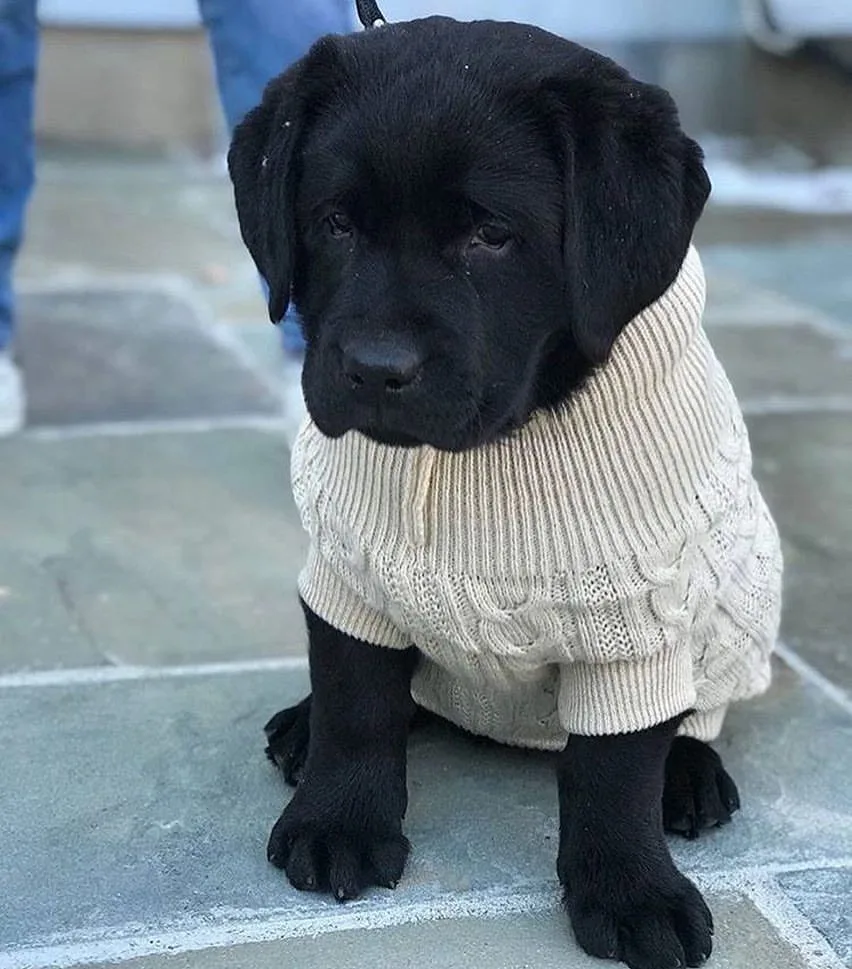
Figuring out how to measure a labrador for a sweater saves you from buying gear that restricts their movement. Labs have deep chests and thick necks that ruin generic sizing every single time. You need exact numbers, not just a weight estimate from the vet.
A typical adult Lab weighs between 55 and 80 pounds. Manufacturer specifications confirm weight alone fails to account for their barrel chest or broad shoulders. We will walk through the exact measuring points you need to get right.
Quick Answer
To measure a Labrador for a sweater, use a soft tape measure. Record the back length from collar to tail base. Wrap the tape around the widest ribcage point for chest girth.
Measure the lower neck where the collar sits. Match these three numbers to the brand chart.
Why Guessing Your Labrador’s Sweater Size Fails Every Time
Labradors are built completely different from standard dog mannequins. They carry dense muscle over a deep, barrel shaped ribcage. Their necks are thick enough to stretch out cheap knits in a matter of days.
If you just guess "Large" because your dog weighs 70 pounds, that sweater is going to choke them or gap wildly at the belly.
Our research into canine apparel returns shows chest girth is the number one reason for exchanges. A narrow chested breed might wear a medium while a stocky English Lab needs an extra large. Weight based sizing charts ignore shoulder width entirely.
That omission forces dogs into a stiff legged waddle just to move forward.
Poorly fitted clothing actually alters a natural gait over time. Canine rehabilitation specialists warn that tight armholes place chronic stress on shoulder joints. You want warmth without restricting their stride during winter walks.
Getting the measurements right prevents those expensive returns and keeps your dog comfortable.
The difference between an American field Lab and an English show Lab changes everything. Field types run taller and leaner. Show types sit lower with much broader chests.
You cannot treat them as the same shape when ordering knitwear.
If your dog falls between two sizes on a chart, always size up for the chest. A slightly long sweater can be hemmed or rolled. A tight chest panel will cause chafing under the armpits within minutes.
Prioritize the ribcage measurement above all others.
Keeping your dog warm matters more than fashion. Older Labs with arthritis feel cold drafts immediately. Managing shedding indoors gets harder when they refuse to move off the couch due to joint stiffness.
A proper fitting layer solves that problem fast.
The Only Tools You Need to Measure a Deep Chested Dog
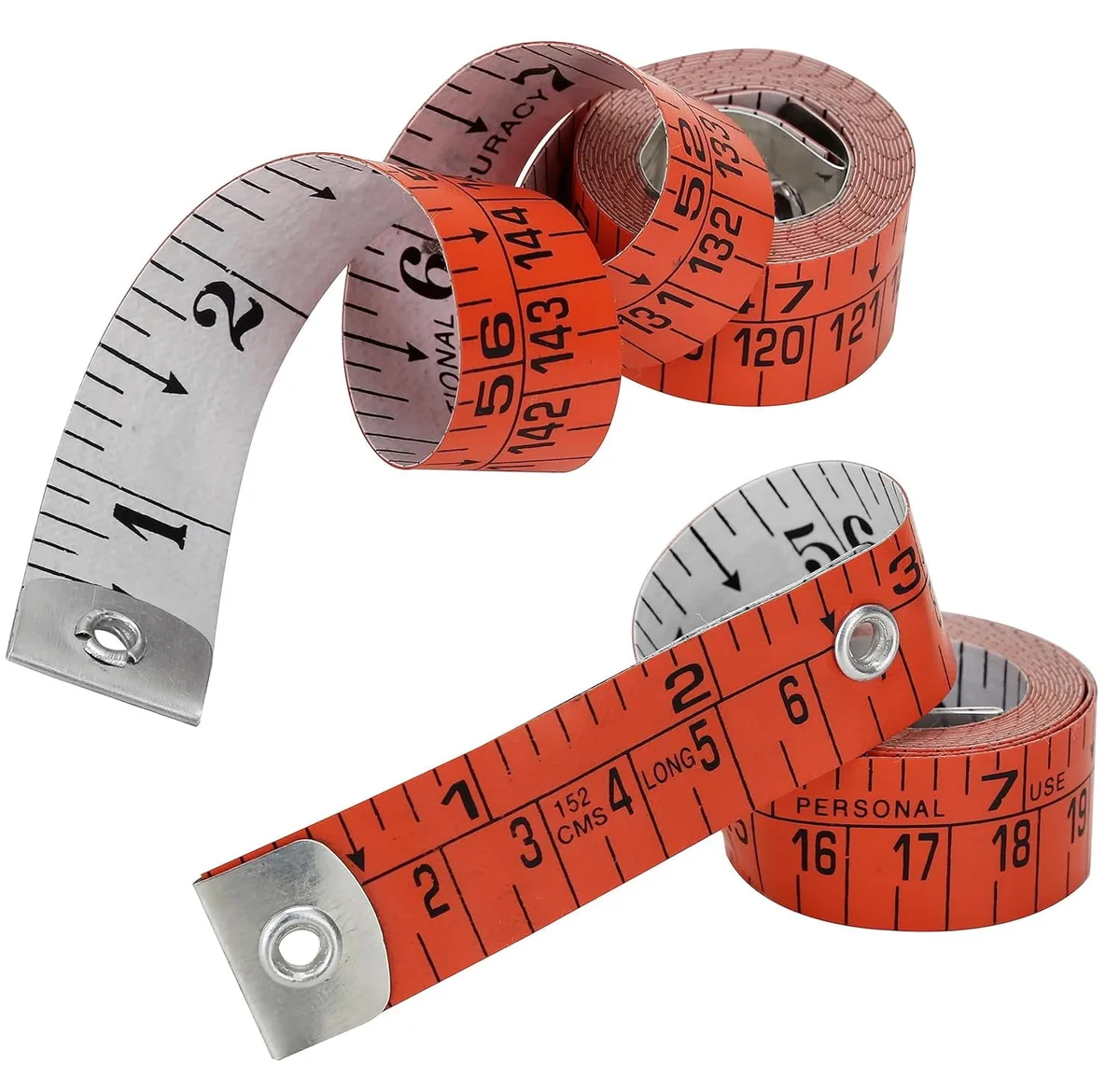
You only need two things to get this done right. Grab a soft fabric measuring tape, the kind tailors use. Skip the rigid metal hardware store tapes because they cannot wrap smoothly around a curved ribcage.
If you only own a metal tape, grab a piece of non stretchy string instead.
Wrap the string around your dog exactly where the tape would go. Mark the overlap point with a pen. Then lay that string flat against a ruler to get your final number.
This method works perfectly if your dog refuses to stand still for the real thing.
Peanut butter is your third essential tool. Smear a little on the fridge or a wall tile at nose height. This keeps your Lab standing square on all four paws while you work.
A sitting dog completely changes the back length and chest dimensions.
| Tool | Purpose | Why It Matters |
|---|---|---|
| Soft fabric tape | Wrapping curves | Metal tapes slip and give false readings |
| Non stretchy string | Backup measuring | Works when dogs squirm too much |
| Peanut butter | Standing anchor | Keeps posture natural and consistent |
| Notebook | Recording numbers | Labs wiggle before you memorize digits |
Never measure your dog right after a bath and blowout. Bathing fluffs up the double coat artificially. You need their fur in its normal, everyday compressed state.
That reflects how the sweater will actually sit against their body on a Tuesday morning.
Measure them after a short walk when they have panted a bit. Panting fully expands the ribcage. This gives you the maximum chest girth so the sweater never feels tight during exercise.
Write every single number down immediately.
Having the right setup makes the whole process take under five minutes. Rushing it with the wrong tools guarantees you will order the wrong size. Take your time and keep those treats handy.
Good preparation means you only have to do this once per season.
How to Measure a Labrador for a Sweater (The 5 Points That Actually Matter)
Getting accurate numbers requires finding specific bony landmarks under all that fur. Generic advice tells you to measure the neck and back. Real fitting requires five distinct points to accommodate a heavy working breed.
Follow this sequence while your dog is happily licking peanut butter off the wall.
Finding the Base of the Neck and Withers
The neck girth measurement goes around the lowest part of the throat. Feel for where their everyday collar naturally rests. Wrap the tape snugly but leave room for the two finger rule.
You should easily slide two fingers flat between the tape and their skin.
Labs have incredibly muscular throats. A tape pulled too tight here will cause constant rubbing during walks. Add a quarter inch if your dog is still a puppy filling out their frame.
Their neck will widen significantly before they reach full maturity.
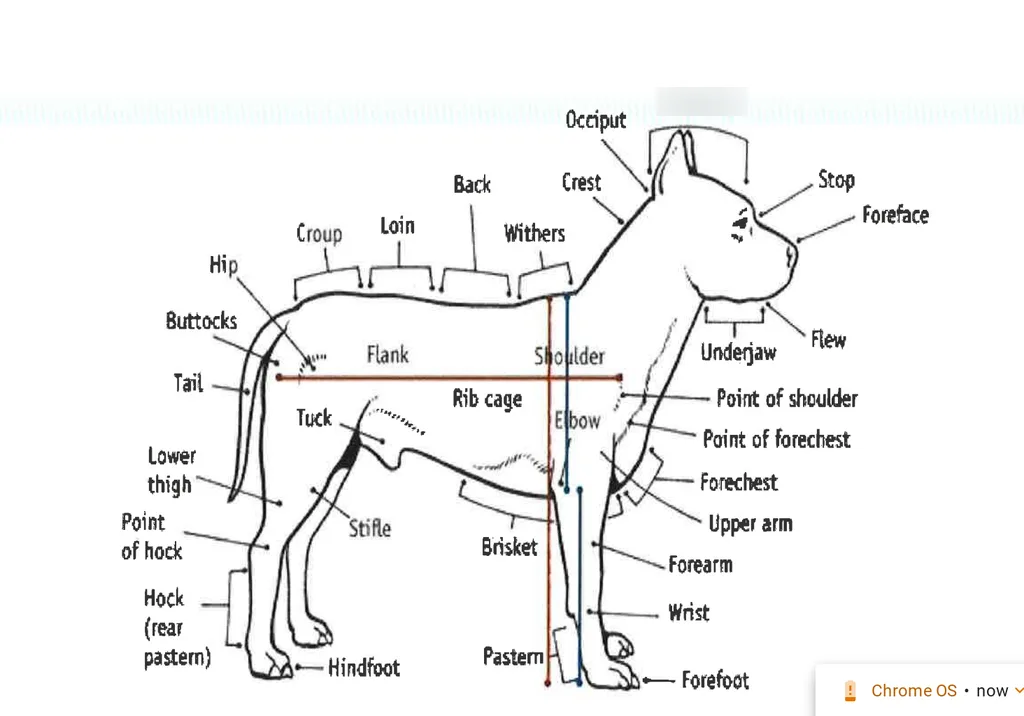
The withers mark the highest point of the shoulder blades. You need this spot to start your back length measurement. Feel along the spine until you hit that prominent bony ridge between the shoulders.
The official AKC breed standard confirms this point dictates proper structural proportion.
Mapping the Barrel Chest Girth
This is the measurement that ruins most off the rack sweaters. Find the widest part of the ribcage just behind the front legs. Run the tape completely around the body at that exact spot.
Keep it parallel to the floor the entire way around.
Do not pull the tape tight enough to compress the guard hairs. Just rest it gently against the outer coat. If your Lab is particularly stocky or overweight, prioritize this number over the back length.
A deep chest demands a wider cut.
If you plan to wear a harness underneath the sweater, put the harness on first. Then take your chest measurement over it. This ensures the garment will zip or button closed without pinching the straps.
Tracing the Topline from Collar to Tail Base
Start the tape exactly at the base of the neck where the collar sits. Run it straight down the spine following the natural curve of the back. Stop precisely at the base of the tail where the spine meets the tail bone.
Do not continue down the tail itself.
A sweater that runs too long will bunch up near the rear end. This causes matting in the feathering and catches waste during bathroom breaks. If your dog has a very long torso compared to their legs, round up to the next half inch.
Better slightly long than riding up constantly.
Make sure your dog is standing square. If they are stretching forward to sniff something, the back length reads artificially long. Wait for them to relax into a neutral stance.
That represents their actual resting top line.
Checking Shoulder Width and Front Leg Length
Most people skip shoulder width and wonder why their dog walks like a robot. Feel for the bony protrusion at the top of each front leg. Measure straight across the back from the left point to the right point.
This tells you if the armholes will clear their bulky frame.
Compare this number directly to the manufacturer armhole spacing if provided. If your dog is a broad English style Lab, add a quarter inch for safety. Restricted shoulders force the elbows outward, altering their entire walking mechanics.
For sleeve length, measure from the top of the shoulder down the outside of the leg. Stop exactly at the carpus, which is the wrist joint. Never measure down to the toes.
Sleeves covering the paws destroy traction on hardwood floors and ice.
Accounting for the Double Coat and Belly Clearance
Labs possess a dense undercoat topped by water resistant guard hairs. When you put a sweater on them, you compress that fluff. A measurement taken loosely over a freshly brushed dog results in a garment that fits too tight once they settle down.
Always measure their normal everyday coat state.
Male and female Labs require different belly cuts. Intact males need a high U shaped cutout near the groin to avoid accidents. Full belly coverage works fine for females and provides maximum warmth.
Check the underside pattern before ordering.
If you live somewhere brutally cold and plan to layer garments, account for thickness. Measure your dog wearing their base layer if the sweater goes over it. Heavy wool directly against the skin traps moisture in that double coat.
This leads to painful hot spots requiring veterinary attention.
Avoid cheap acrylic fabrics that pill instantly against coarse hair. Merino wool blends or heavyweight cotton fleece handle friction much better. Technical athletic fabrics offer the best moisture management for active dogs.
Material choice matters just as much as the physical dimensions.
Proper clearance prevents the garment from becoming a hazard. Too tight restricts breathing. Too loose catches on branches during outdoor play.
Dial in those five points and the fit takes care of itself.
Matching Your Tape Measure Numbers to Brand Sizing Charts
Here is where the frustration usually hits. Every single apparel company uses a different sizing chart as of 2026. A Large in one catalog might equal an Extra Large in another.
Never buy based on the printed size label alone.
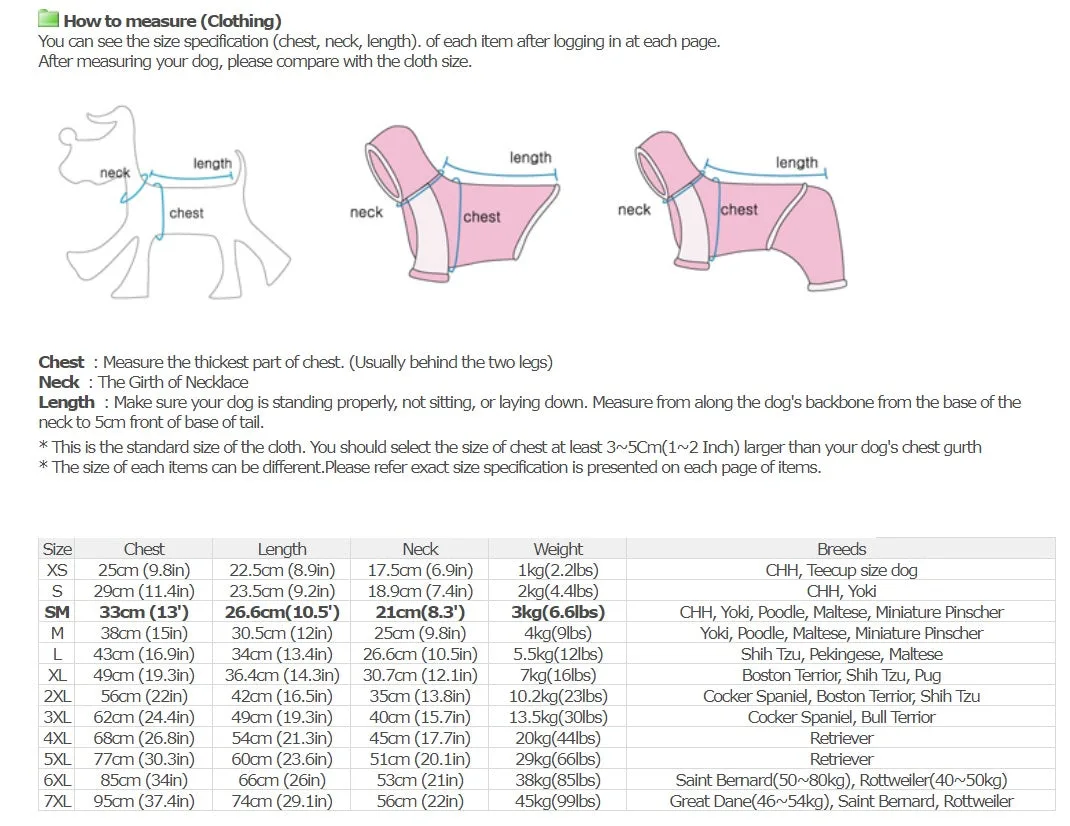
Always match your chest girth first. It is the hardest dimension to alter and the most critical for a deep chested breed. Once the chest fits, check the back length against the chart.
Ignore the recommended weight column completely if it contradicts your tape measure numbers.
Keep a dedicated note on your phone with your dog's exact dimensions. Pull it up whenever you shop online. This stops you from remeasuring every single season.
Dogs change shape slowly, so verify the numbers once a year.
If your measurements fall between two sizes on a chart, look at the fabric content. Knitted materials with high stretch can size down safely. Woven technical fabrics with zero give must size up.
Understanding material behavior prevents costly mistakes.
Check the return policy before hitting checkout. Some custom or boutique makers do not accept returns on worn items. Knowing your exact measurements protects you from losing money on a bad fit.
Smart shopping starts with the tape measure, not the website.
Comparing your notes across multiple brands reveals who actually understands big dogs. Some companies design exclusively for greyhounds or bulldogs. Finding a brand that scales properly for retrievers saves endless headaches.
Stick with the ones that map closely to your recorded numbers.
Getting Your Lab to Actually Wear the Thing Without Freezing
You measured perfectly. You ordered the right size. Then your dog stands completely frozen like a statue the second the fabric touches their back.
This happens constantly with Labs who have never worn clothes before.
Start with five minute sessions inside the house. Pair the sweater immediately with high value treats or peanut butter. Let them just stand there and realize they are not trapped.
Do not force them to run or play right away.
Look for Velcro closures along the belly instead of pullover styles. Pulling heavy knitwear over a broad head scares many dogs. A wrap style fastens underneath without covering their face.
It makes the whole process significantly less stressful.
If your dog tries to back out of it, gently redirect them forward. Backing up is a panic response to feeling pressure on the shoulders. Walking forward naturally relieves that sensation.
Keep your voice calm and reward every step.
Gradually increase the wear time over a week. Move from five minutes indoors to short walks around the block. Once they associate the garment with going outside, resistance usually disappears entirely.
Patience beats forcing it every single time.
Washing the sweater before the first wear removes factory smells. Strange chemical odors make dogs even more suspicious of new clothing. Use unscented detergent to avoid irritating their skin.
A clean, familiar smelling layer gets accepted much faster.
Some Labs will always prefer being naked. If they refuse to walk after multiple positive training sessions, respect that boundary. Consider a lighter base layer or a simple fleece vest instead.
Not every dog needs a full knit sweater to stay warm.
Proper acclimation turns a scary experience into a normal routine. Take it slow and watch their body language closely. Relaxed ears and a wagging tail mean you are winning.
Stiff posture means you need to slow down.
Keeping your gear clean matters just as much as the fit itself. Washing winter layers regularly prevents odor buildup in the house. Hiring someone to help during busy travel seasons ensures routines like this never slip.
Consistent care keeps the fabric soft and comfortable.
Frequently Asked Questions
Should I measure my Labrador standing up or sitting down?
Always measure your dog standing square on all four paws. Sitting compresses the ribcage and shortens the back length artificially. Use peanut butter on a wall to keep them anchored in a natural standing position while you work.
What if my Labrador falls between two sizes on the chart?
Prioritize the chest girth measurement when choosing between sizes. Size up if the fabric has no stretch, like woven technical blends. Knitted materials with natural give can sometimes accommodate sizing down safely without restricting shoulder movement.
How do I measure a male Labrador so he does not pee on the sweater?
Look specifically for sweaters designed with a high U shaped belly cutout. Measure the distance from the base of the ribs toward the groin. Ensure the fabric stops well before that point so bathroom breaks remain mess free.
Does my Labrador’s thick double coat change how I measure?
Yes, always measure them in their normal everyday coat state. Never take measurements right after a bath when the undercoat is fully fluffed. The sweater will compress that fur naturally, so measuring a blown out coat results in a too tight fit.
Can I use a metal tape measure from the garage?
Rigid metal tapes cannot wrap smoothly around a curved barrel chest. Use a soft fabric tailor tape instead. If you only own a metal tape, wrap a piece of non stretchy string around the dog first, then measure that string flat against a ruler.
What to Do With Sweaters That No Longer Fit
Labs grow fast and change shape as they age. A sweater that fit perfectly last winter might pinch their shoulders now. Don't just toss those old garments into the trash bin.
You can still get plenty of use out of them around the house.
Seriously pilled or stretched sweaters shouldn't go on outdoor walks anymore. They catch on branches and offer zero wind protection. But they work great as indoor pajamas for senior dogs resting on cold floors.
Light warmth is often all an arthritic Lab needs while sleeping.
If the fabric is completely shot, cut it up into smaller squares. Use those pieces as padding inside a wire crate or travel carrier. Old fleece makes excellent draft stoppers under exterior doors too.
Nothing goes to waste if you think practically about it.
You can also donate gently used gear to local shelters. Rescue organizations constantly need warm layers for shivering intakes during winter months. Just wash everything thoroughly with unscented detergent before dropping it off.
Clean donations are always appreciated by shelter staff.
When a garment is truly beyond repair, look into textile recycling programs. Many municipalities accept synthetic fabrics that cannot be donated. Check your local waste management guidelines for specific drop off locations.
Keeping old acrylic out of landfills helps everyone.

