
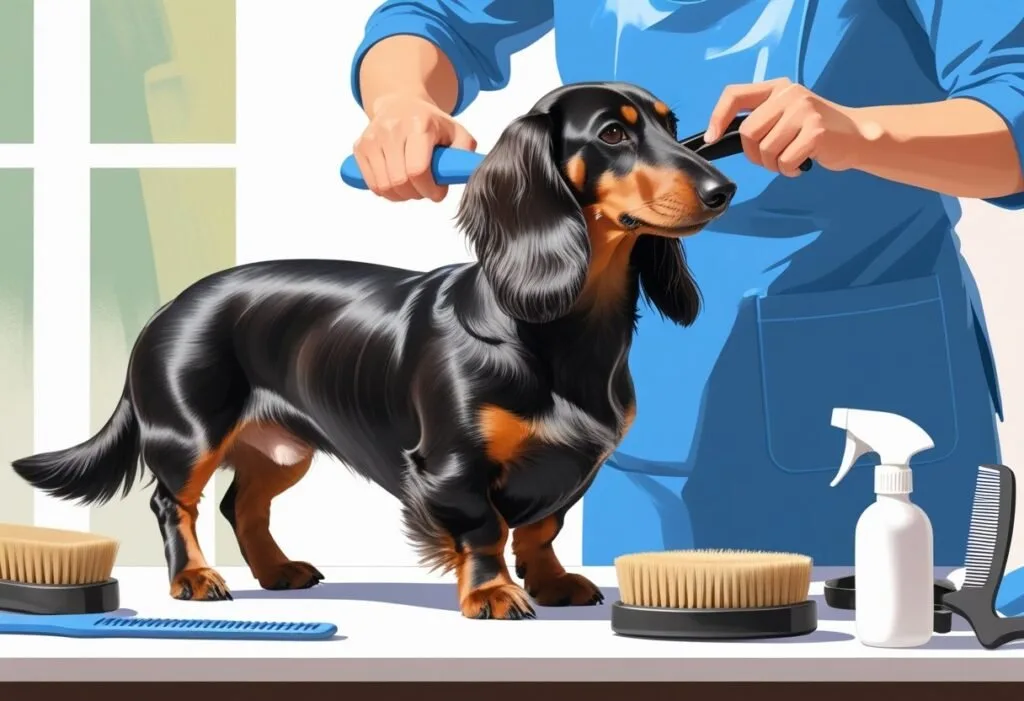
Let's face it, grooming a dachshund at home can feel like trying to brush a wriggling sausage that's determined to escape. You've got the long back to protect, the stubborn personality to manage, and three different coat types to figure out. Learning how to groom a dachshund at home isn't just about keeping them looking cute, it's about keeping them healthy and comfortable without turning your living room into a wrestling ring.
The good news is that with the right tools and a solid routine, you can absolutely handle this yourself. Dachshunds have specific needs that set them apart from other breeds, from their fragile spines to their droopy ears that trap moisture. According to the Dachshund Club of America, these dogs were bred to hunt badgers, which explains their independent streak and why grooming sessions require patience and strategy.
Once you understand their anatomy and temperament, you'll wonder why you ever dreaded bath day.
Quick Answer
Groom a dachshund at home by brushing according to coat type, bathing every 4-6 weeks, trimming nails monthly, and cleaning ears weekly. Support their back at all times. Use dog-specific products only.
Keep sessions short and positive. Watch for signs of IVDD and skin irritation. Call a vet if you notice anything unusual.
Why Dachshund Grooming Is Different (and Why It Matters)
Dachshunds aren't golden retrievers. Their bodies are built differently, and that changes everything about how you groom them.
The spine is the big deal. Intervertebral disc disease, or IVDD, is the nightmare every dachshund owner fears. Those long backs carry a lot of pressure, and improper handling during grooming can cause a disc to bulge or rupture. You can't grab your dog by the scruff, lift them under the belly, or twist them into awkward positions.
Every movement needs to support both ends of that precious back.
Their coat types are genuinely different. Smooth-coated dachshunds have short, shiny fur that needs minimal work. Longhaired dachshunds have silky, flowing coats that tangle easily and need regular attention. Wirehaired dachshunds have rough, dense coats with an undercoat that requires stripping or special brushing.
Each type demands different tools and techniques.
They're low to the ground. All that adorable length sits closer to dirt, mud, and debris than most dogs experience. Their bellies, paws, and faces pick up everything from grass seeds to sidewalk grime. Regular paw checks and belly wipes aren't optional, they're essential.
Those floppy ears are infection magnets. The droopy shape blocks airflow, creating a warm, dark environment where yeast and bacteria thrive. Weekly ear checks and cleaning aren't negotiable for this breed.
Stubborn is their middle name. Dachshunds were bred to face down badgers. A brush and nail clippers don't intimidate them. You need strategy, treats, and a calm attitude to get through a grooming session in one piece.
What You'll Need Before You Start
Getting your gear together before you bring the dog into the room makes everything smoother. Nothing derails a grooming session faster than realizing you forgot the clippers and having to leave your dachshund unsupervised.
| Tool | Purpose | Notes |
|---|---|---|
| Slicker brush | Removing tangles and loose fur | For longhaired and wirehaired coats |
| Pin brush | Daily brushing for long coats | Gentle on sensitive skin |
| Soft bristle brush | Smooth coats and finishing | Distributes natural oils |
| Rubber curry brush | Smooth coats, loosening dead fur | Works in circular motions |
| Wide-toothed comb | Checking for remaining tangles | Use after brushing |
| Stripping knife | Wirehaired coat maintenance | Optional for pet owners |
| Rounded-tip scissors | Trimming paw hair and around eyes | Safety first |
| Nail clippers or grinder | Trimming nails | Choose based on your dog's tolerance |
| Styptic powder or cornstarch | Stopping nail bleeding | Non-negotiable |
| Dog-safe shampoo | Bathing | Dilute before applying |
| Ear cleaner | Preventing infections | Vet-approved formulas |
| Microfiber towels | Drying | Absorbent and gentle |
| Cotton balls | Ear cleaning and water protection | Never cotton swabs |
| Dog toothpaste and brush | Dental care | Use 2-3 times weekly |
| High-value treats | Positive reinforcement | Small, soft, smelly |
Set up your space carefully. A non-slip mat on a table at waist height saves your back and calms your dog. If your dachshund is nervous about heights, work on the floor and accept that you'll be kneeling. Place everything within arm's reach so you never leave the dog unattended mid-session.
Always do a pre-groom health check. Run your hands over their entire body. Feel for lumps, bumps, tender spots, or sensitive areas. Check for fleas, dry skin patches, redness between toes, or anything that seems off.
If your dog flinches or pulls away, investigate before you start brushing. Grooming over an injury makes everything worse. A healthy dachshund tolerates grooming far better than one who's sore or uncomfortable.
Step-by-Step: Brushing and Bathing by Coat Type
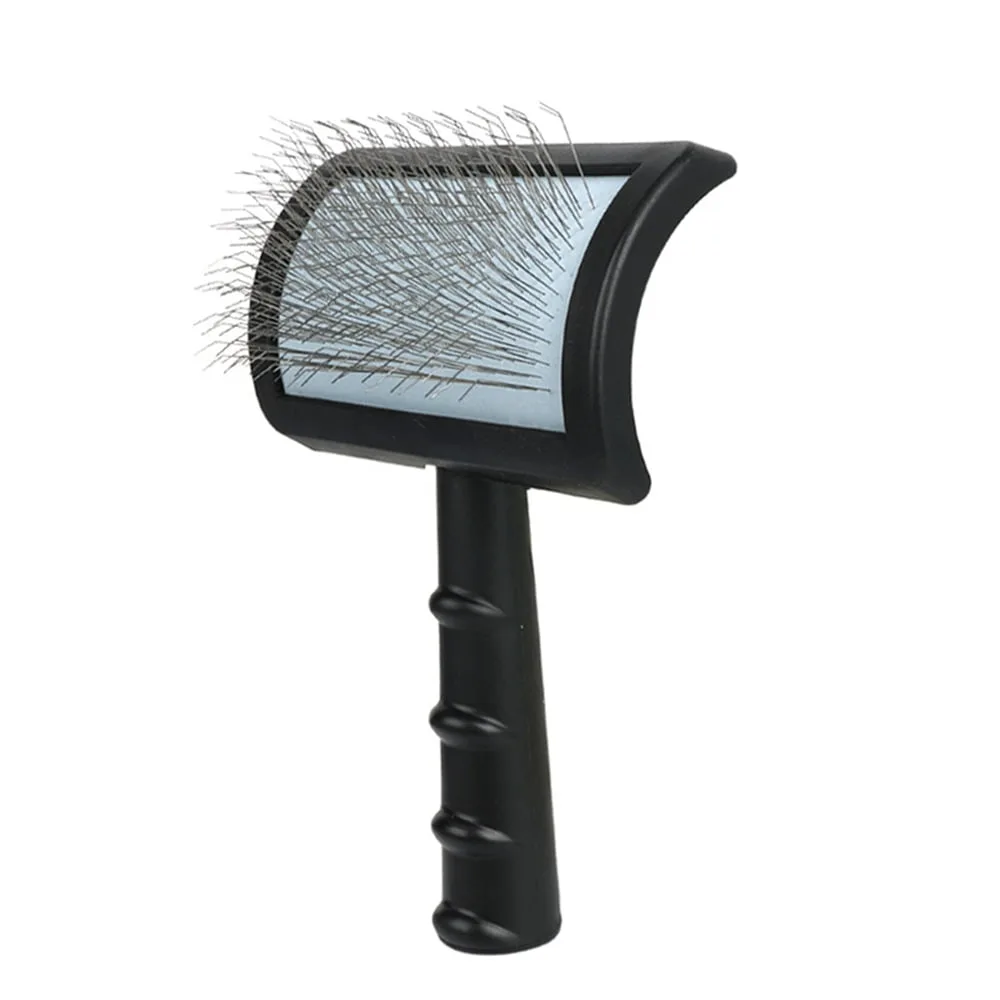
Brushing is the foundation of dachshund grooming, and each coat type needs a slightly different approach.
Smooth-coated dachshunds are the easiest to maintain. Use a rubber curry brush or grooming glove in circular motions to lift dead hair and stimulate the skin. Then go over them with a soft bristle brush to distribute natural oils and add shine.
Two or three sessions per week keeps shedding under control and their coat looking healthy.
Longhaired dachshunds demand more commitment. Their silky fur tangles easily, especially behind the ears, under the armpits, and around the rear. Brush them every other day at minimum.
Start with a slicker brush to work through tangles, beginning at the ends and moving toward the skin. Follow up with a wide-toothed comb to catch anything the brush missed. Pay special attention to the feathering on their legs and tail, which collects debris and mats fastest.
Wirehaired dachshunds have a dense, rough coat with an undercoat that needs different care. A slicker brush removes loose fur and prevents matting. Some owners use a stripping knife to maintain the proper wiry texture, but that takes practice.
If you're not showing your dog, regular brushing with an occasional trim around the eyes and beard is perfectly adequate.
Bathing needs rhythm and patience. Use lukewarm water, around 98-100°F, never hot. Place a towel or rubber mat in the tub for traction. Dilute your dog-friendly shampoo in a bottle before applying, since concentrated soap irritates sensitive skin.
Put cotton balls in their ears to keep water out. Protect their back by supporting their chest and rear as you lift them in and out.
Rinse thoroughly, then rinse again. Soap residue causes itching and skin problems. When you think you've rinsed enough, do one more pass. Squeeze excess water out with a microfiber towel, then let your dog shake.
For longhaired coats, use a high-velocity dryer on low or a regular hair dryer on cool. Keep it moving and don't hold it too close. Never let a wet dachshund outside or onto furniture until completely dry.
Keep baths to every 4-6 weeks. Over-bathing strips natural oils and dries out their skin. Unless your dog rolled in something unmentionable, that schedule works well for most dachshunds.
Nail Trimming Without the Tears (Yours or Theirs)
Nail trimming ranks as the most dreaded grooming task for dachshund owners. Those click-clack sounds on hardwood floors are a reminder that you've waited too long again. Long nails hurt, pushing toes apart and altering how your dog walks.
Over time, that changes posture and can even contribute to back problems.
Clippers or grinder? Clippers are faster and quieter, but they risk cutting the quick. Grinders take longer and make noise that scares some dogs, but they remove nail gradually and safely. If your dachshund tolerates the sound, a grinder is the gentler option.
For clippers, use the guillotine style that fits small dog nails well.
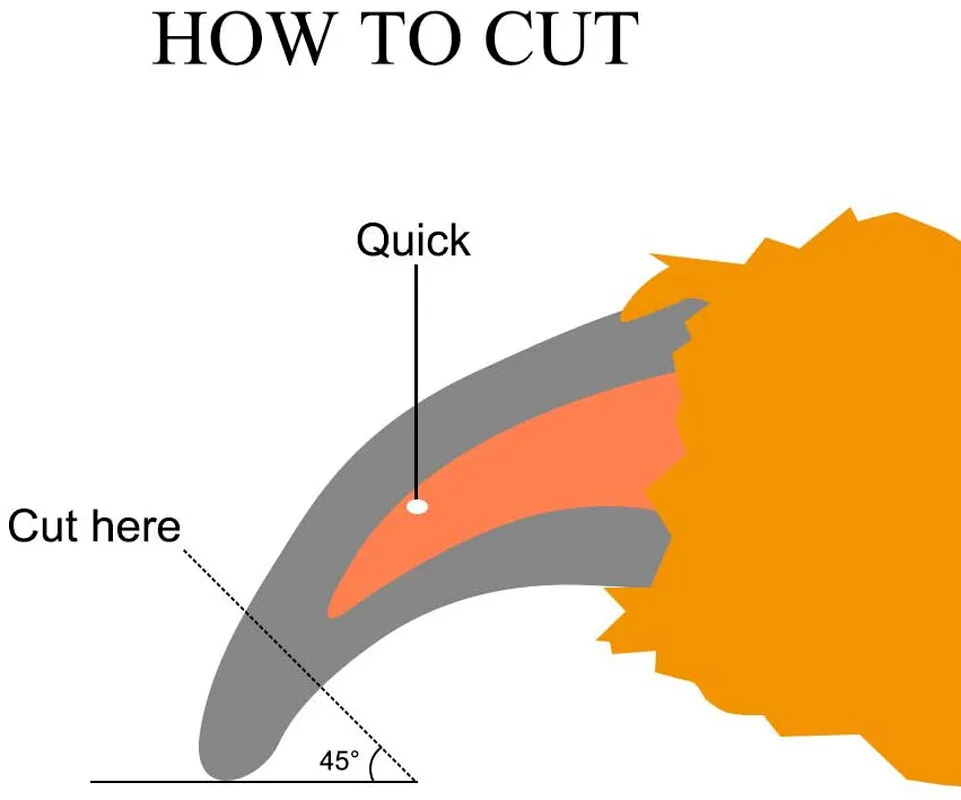
Find the quick first. On light nails, you can see the pink area inside. Dark nails are trickier. Shave thin slices from the tip and watch for a dark dot appearing in the center of the cut surface.
That dot means you're getting close to the quick. Stop there.
Cut at a 45-degree angle. This follows the nail's natural shape and reduces splitting. Make several small cuts rather than one big slice. Trim the dewclaws too, those higher nails on the inside of the leg that often get forgotten and can snag on things.
When the quick gets cut, don't panic. It bleeds, it stings, and your dog will whimper. Apply styptic powder or cornstarch to the tip and hold gentle pressure for a minute or two. It stops quickly, and your dog will forgive you faster than you think.
Keep the powder within reach every single time you trim nails.
Bribe generously. Give treats before, during, and after each paw. Make it a positive experience. If your dachshund pulls away, take a break and try again later.
Forcing a stubborn dachshund through nail trimming only creates more resistance next time. One or two nails per session is perfectly fine if that's all your dog tolerates.
Ears, Face, and the Finishing Touches
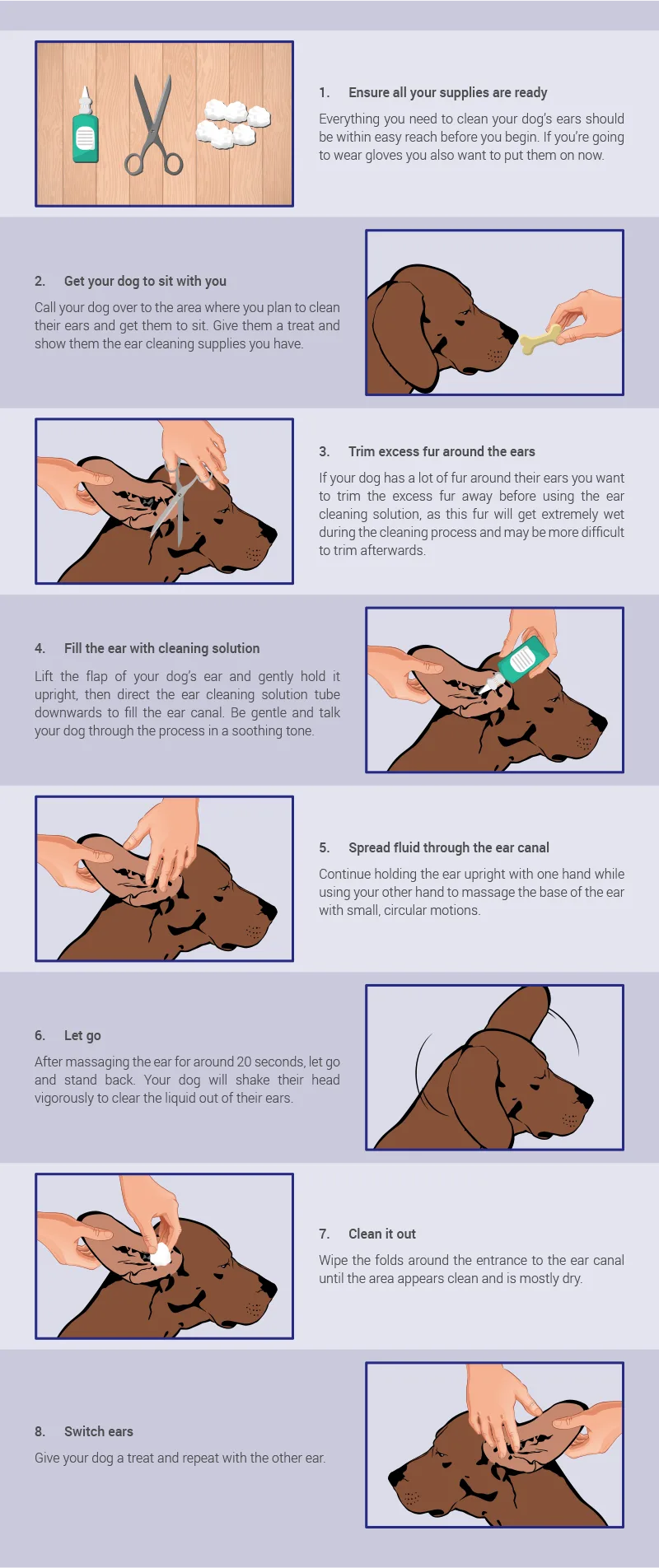
Dachshund ears are the cutest feature and the biggest health risk. The droopy shape traps moisture and limits airflow, creating ideal conditions for infections. Weekly ear checks catch problems before they become painful.
Look before you clean. Healthy ears look pink and clean with no odor. Redness, swelling, a yeasty smell, or dark discharge means an infection is brewing. If you see any of those signs, skip the at-home cleaning and call your vet.
Clean properly. Squeeze a vet-approved ear cleaner into the ear canal, gently massage the base for about 30 seconds, then let your dog shake their head to expel the solution. Wipe away any visible debris with a cotton ball. Never use cotton swabs inside the ear canal.
They push debris deeper and risk damaging the eardrum.
Facial care matters too. Use a damp washcloth to wipe around the eyes, removing crust and tear stains. Clean the wrinkles around the mouth after meals to prevent food buildup and skin irritation. Longhaired dachshunds need careful trimming of hair around the eyes for visibility.
Paw care finishes the session. Trim the hair between paw pads on longhaired dachshunds to prevent slipping and matting. Check each pad for cracks, debris, or cuts, especially after walks in hot or cold weather. A gentle paw balm keeps pads soft and protected.
Dental hygiene stays non-negotiable. Those tiny teeth pack tightly together in a small mouth, making them prone to plaque and dental disease. Brush 2-3 times weekly with dog-safe toothpaste. It prevents bad breath, painful infections, and expensive veterinary dental work down the road.
Finish with a full-body brush. This distributes oils, catches any missed tangles, and gives you one last chance to check for issues. Run your hands over the entire dog, feeling for anything unusual. A final treat and praise ends the session on a positive note, building better cooperation for next time.
7 Common Dachshund Grooming Mistakes to Avoid
Even experienced dachshund owners slip up sometimes. Here are the mistakes that cause the most trouble, so you can steer clear of them.
Lifting incorrectly during grooming. This is the most serious one. Grabbing your dachshund by the scruff, lifting them by the front paws, or supporting only the belly puts dangerous pressure on their spine. Always use one hand under the chest and one under the rear, keeping their back level at all times.
Bathing too often. That cucumber-fresh smell is nice, but over-bathing strips natural oils and leaves skin dry and itchy. Stick to every 4-6 weeks unless your dog has rolled in something you can't ignore. For minor dirt, use grooming wipes or waterless shampoo instead of a full bath.
Cutting the quick on dark nails. Owners of dark-nailed dachshunds often guess wrong and hit the sensitive interior. If you can't see the quick clearly, take tiny slices and check the cut surface frequently. When in doubt, stop and try again in a few days.
Skipping ear care. Those floppy ears hide problems until infections are well established. Weekly checks take two minutes. Skipping them leads to painful treatment and chronic issues.
Prevention beats cure every time.
Brushing long coats too roughly. Yanking through tangles hurts your dog and damages their coat. Work through mats gently, starting at the ends. Use a detangling spray if needed.
If a mat has become a solid clump, cut it out carefully rather than pulling.
Rushing the process. Dachshunds sense impatience and resist more. Short, calm sessions work better than forced, frantic ones. If your dog has had enough, stop and finish later.
Ignoring early signs of trouble. If your dachshund suddenly dislikes grooming, check for skin issues, sore ears, or a tender back. Behavior changes often signal physical problems. Address those before forcing more grooming.
Grooming Schedule and When to Call a Professional
A consistent routine keeps grooming manageable and your dachshund comfortable. Here's a practical schedule that works for most households:
| Task | Frequency |
|---|---|
| Smooth coat brushing | 1-2 times per week |
| Longhaired coat brushing | 3-4 times per week |
| Wirehaired coat brushing | 2-3 times per week |
| Nail trimming | Every 3-4 weeks |
| Ear cleaning | Weekly |
| Bathing | Every 4-6 weeks |
| Teeth brushing | 2-3 times per week |
| Paw checks | After every walk |
Adjust based on your dog's lifestyle. A dachshund who hikes trails needs more paw care than one who sticks to sidewalks. A digger needs more face and coat attention than a couch potato.
Watch for shedding seasons. Wirehaired dachshunds blow their undercoats in spring and fall. Longhaired dachshunds shed more during seasonal changes. Increase brushing frequency during those windows.
Know when to bring in a professional. Some situations are beyond DIY grooming. If your dachshund snaps or growls when you bring out the clippers, let a groomer or vet tech handle nails. If you've cut the quick multiple times and feel anxious, professional help is cheaper than repeated bleeding and stress.
If your dog develops a persistent skin issue or ear infection, skip the groomer and see a vet first.
Build the routine gradually. Start with short sessions and increase duration as your dog gets comfortable. Reward generously. A dachshund who learns that grooming means treats and attention becomes far more cooperative.
If you're also adjusting your dog's diet, it's worth understanding how to transition to natural food safely, since skin and coat health start from the inside.
FAQs About Grooming Dachshunds at Home
How do I calm a dachshund that hates grooming?
Start with desensitization. Let them sniff the tools, reward them for being near, and practice short sessions without actually grooming. Exercise them before grooming to burn off nervous energy.
Use high-value treats throughout. Consider calming aids like a pheromone spray if anxiety is severe.
Can I use human shampoo on my dachshund?
No. Human shampoo has a different pH balance that disrupts a dog's skin barrier. It causes dryness, itching, and irritation.
Always use dog-specific shampoo that's pH-balanced for canine skin. If you're out of dog shampoo, plain lukewarm water works better than human products.
How do I groom a senior dachshund with back issues?
Minimize bending and twisting. Groom them on a stable, comfortable surface at waist height. Keep sessions short and watch for signs of pain or discomfort.
Skip any position that requires stretching their spine. If arthritis limits their tolerance for nail trims, ask your vet about sedation options or professional grooming assistance.
Is hand-stripping necessary for wirehaired dachshunds?
Only if you're showing your dog. For pet wirehaired dachshunds, regular brushing and occasional trimming around the eyes and beard works perfectly well. Hand-stripping maintains the proper wiry texture for competition, but it's time-consuming and skill-intensive.
Most owners skip it entirely.
How short should I trim my dachshund's nails?
Trim until the nails just clear the ground when your dog stands. You should not hear clicking on hardwood floors. If you can see the quick, leave a small margin.
When in doubt, trim less rather than more. Regular maintenance every 3-4 weeks keeps nails at a healthy length without drama.
7 Common Dachshund Grooming Mistakes to Avoid
Even seasoned owners slip up. Here's what to watch for.
Lifting incorrectly. Grabbing your dachshund by the scruff or supporting only the belly puts dangerous pressure on their spine. Always use one hand under the chest and one under the rear, keeping their back level.
Bathing too often. Over-bathing strips natural oils and leaves skin dry and itchy. Stick to every 4-6 weeks unless there's a mud emergency.
Cutting the quick. On dark nails, shave thin slices and watch for the dark dot that signals you're close. When in doubt, stop and try again later.
Skipping ear checks. Those floppy ears hide infections until they're painful. Two minutes weekly prevents expensive vet visits.
Rushing sessions. Dachshunds sense impatience and resist more. Short, calm sessions beat forced ones every time.
Grooming Schedule and When to Call a Professional
| Task | Frequency |
|---|---|
| Smooth coat brushing | 1-2 times weekly |
| Longhaired brushing | 3-4 times weekly |
| Wirehaired brushing | 2-3 times weekly |
| Nail trimming | Every 3-4 weeks |
| Ear cleaning | Weekly |
| Bathing | Every 4-6 weeks |
| Teeth brushing | 2-3 times weekly |
Adjust for lifestyle. Hiking dachshunds need more paw care. Diggers need more face attention.
Call a pro if your dog snaps at grooming tools. A groomer or vet tech handles nails in seconds. If you've cut the quick repeatedly, professional help beats repeated stress. Persistent skin issues or ear infections mean a vet visit, not just a groomer.
FAQs About Grooming Dachshunds at Home
How do I calm a dachshund that hates grooming?
Desensitize them slowly. Let them sniff tools, reward calm behavior, and practice short sessions without actual grooming. Exercise them first to burn energy.
High-value treats throughout the session work wonders.
Can I use human shampoo on my dachshund?
Never. Human shampoo has a different pH that disrupts canine skin barriers, causing dryness and itching. Always use dog-specific shampoo.
Plain lukewarm water beats human products in a pinch.
How do I groom a senior dachshund with back issues?
Groom them on a stable surface at waist height. Keep sessions short and watch for signs of pain. Skip any position that stretches their spine.
If they can't tolerate nail trims, ask your vet about sedation options.
Is hand-stripping necessary for wirehaired dachshunds?
Only for show dogs. Pet wirehaired dachshunds do fine with regular brushing and occasional trims around the eyes and beard. Hand-stripping is time-consuming and skill-intensive.
Most owners skip it entirely.
How short should I trim nails?
Trim until nails just clear the ground when standing. No clicking on hardwood floors. When in doubt, trim less.
Regular maintenance every 3-4 weeks prevents the need for major trims.
The Bottom Line on Grooming at Home
Grooming your dachshund at home is absolutely achievable with patience and the right tools. Support their backs, keep sessions positive, and stay consistent. You'll save money, bond with your dog, and notice health issues early.
Start small, build a routine, and reward generously. Your dachshund might never love grooming, but they'll tolerate it. That's half the battle won.

