
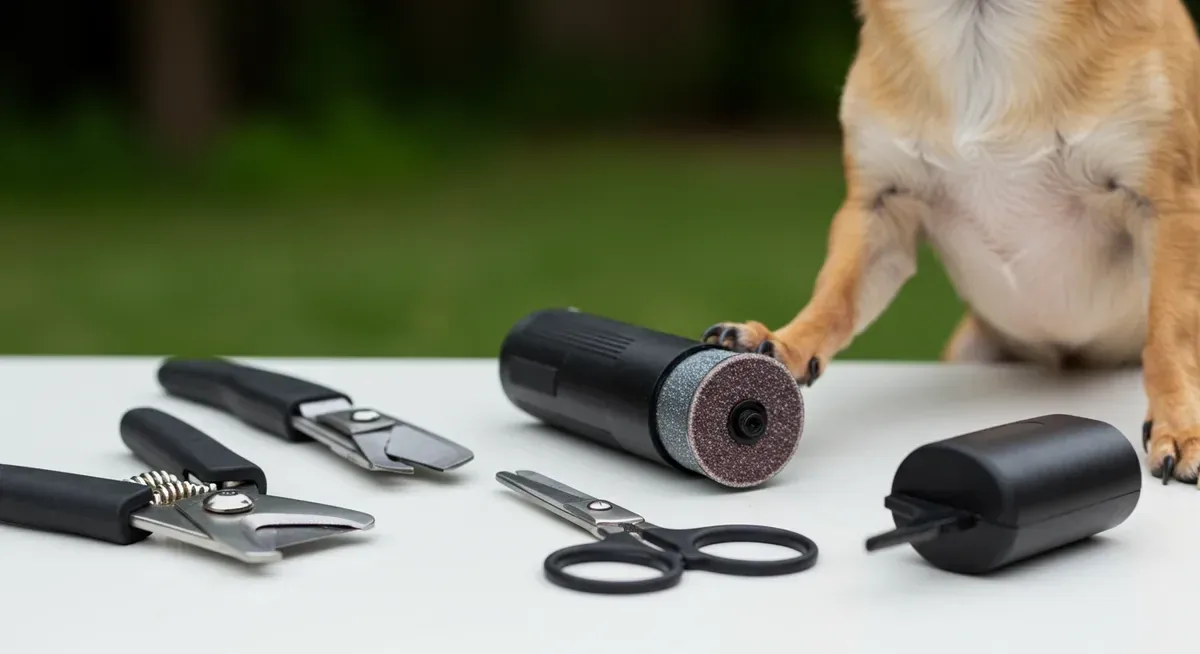
Let's be real: the thought of grooming your Chihuahua at home can feel a little intimidating, especially when those tiny nails and delicate ears are involved. You probably have a wriggly, opinionated little companion who'd rather do literally anything else than sit still for a brush-out. But here's the good news.
With the right tools, a calm approach, and a solid routine, you can handle most of their grooming needs confidently and safely. Learning how to groom a chihuahua at home isn't just about keeping them looking sharp, it's about their health, comfort, and your bond.
In our research, we found that the average professional grooming session for a small breed like a Chihuahua runs anywhere from $40 to $75, and that's before tip. At-home grooming costs a fraction of that after a one-time tool investment, and it eliminates the stress of car rides and strange environments for a nervous pup. Plus, regular handling helps you catch lumps, rashes, or parasites early, which vets agree is one of the best preventive health measures you can take.
Ready to become your Chihuahua's favorite groomer? Let's walk through it step by step.
Quick Answer
Groom your Chihuahua at home with a consistent routine. Brush two to three times weekly. Bathe every three to four weeks.
Trim nails every two to four weeks. Clean ears weekly. Brush teeth daily.
Use dog-specific products only. Keep sessions short and positive. Watch for stress signals and stop when needed.
Why Grooming Your Chihuahua at Home Is Worth It (And When It Isn't)
The cost savings alone make a compelling case. Professional grooming for a toy breed typically runs $40 to $75 per visit, and that adds up fast when you're visiting every four to six weeks. Over a year, that's easily $400 to $900.
With a modest one-time investment in tools, you can cover most of that with home grooming. You also skip the stress of dropping your dog off for hours, which many Chihuahuas find genuinely upsetting.
But there's a deeper benefit. Regular handling builds trust. When you're the one brushing, bathing, and trimming, your dog learns that being touched all over is safe and normal.
That translates to easier vet visits, less anxiety during examinations, and a calmer dog overall. It's also your best chance to notice early signs of trouble, a suspicious lump, a red ear, a cracked nail, before they become bigger issues.
That said, home grooming isn't for everyone or every dog. If your Chihuahua has severe matting that you can't safely brush out, extremely overgrown nails with dark quicks, or a history of biting during grooming, a professional is the safer choice. Some dogs simply need the extra hands and experience.
Knowing your limits isn't failure, it's responsible pet ownership. As of 2026, most professional groomers also offer desensitization sessions specifically for anxious small breeds, which can be a great bridge between full home grooming and clinic visits.
The Essential Chihuahua Grooming Toolkit (What You Actually Need)
You don't need a drawer full of gadgets. You need the right basics, and most of these tools will last years if you buy quality once. Here's what we consider non-negotiable for a Chihuahua and what you can skip.
The Must-Haves
| Tool | Purpose | Notes |
|---|---|---|
| Slicker brush | Removes loose fur, tangles, and debris | Choose a small size with fine, rounded pins |
| Soft bristle brush | Finishes the coat, distributes natural oils | Good for smooth-coat Chihuahuas |
| Dog-specific shampoo | Cleans without stripping natural oils | Look for sensitive-skin formulas |
| Dog conditioner | Keeps coat soft and manageable | Especially useful for long-coat varieties |
| Nail clippers | Trims overgrown nails | Guillotine style works well for small dogs |
| Nail grinder | Smooths edges after clipping | Quieter, gentler option for nervous dogs |
| Styptic powder | Stops bleeding if you cut the quick | A must-have for any home groomer |
| Ear cleaner | Prevents infections | Use only dog-formulated solutions |
| Cotton balls or pads | Applies ear cleaner and cleans folds | Never use cotton swabs inside the ear |
| Dog toothbrush and toothpaste | Maintains dental health | Enzymatic poultry flavor works best |
| Microfiber towels | Dries quickly and absorbs well | Keep two or three on hand |
| Low-heat blow dryer | Fully dries the coat after bathing | Optional but helpful in cold climates |
What You Can Skip
Skip human shampoo, no exceptions. The pH difference between human and canine skin causes dryness and irritation in dogs. Also skip harsh deshedding tools, most Chihuahuas don't shed enough to need them, and the aggressive action can irritate their thin skin.
Waterless shampoo is handy for spot cleaning but shouldn't replace regular baths.
If you're shopping, look for tools sized for toy breeds. A full-sized slicker brush or clippers designed for large dogs will be unwieldy and difficult to control on a five-pound frame.
Brushing Basics: Matching the Routine to the Coat
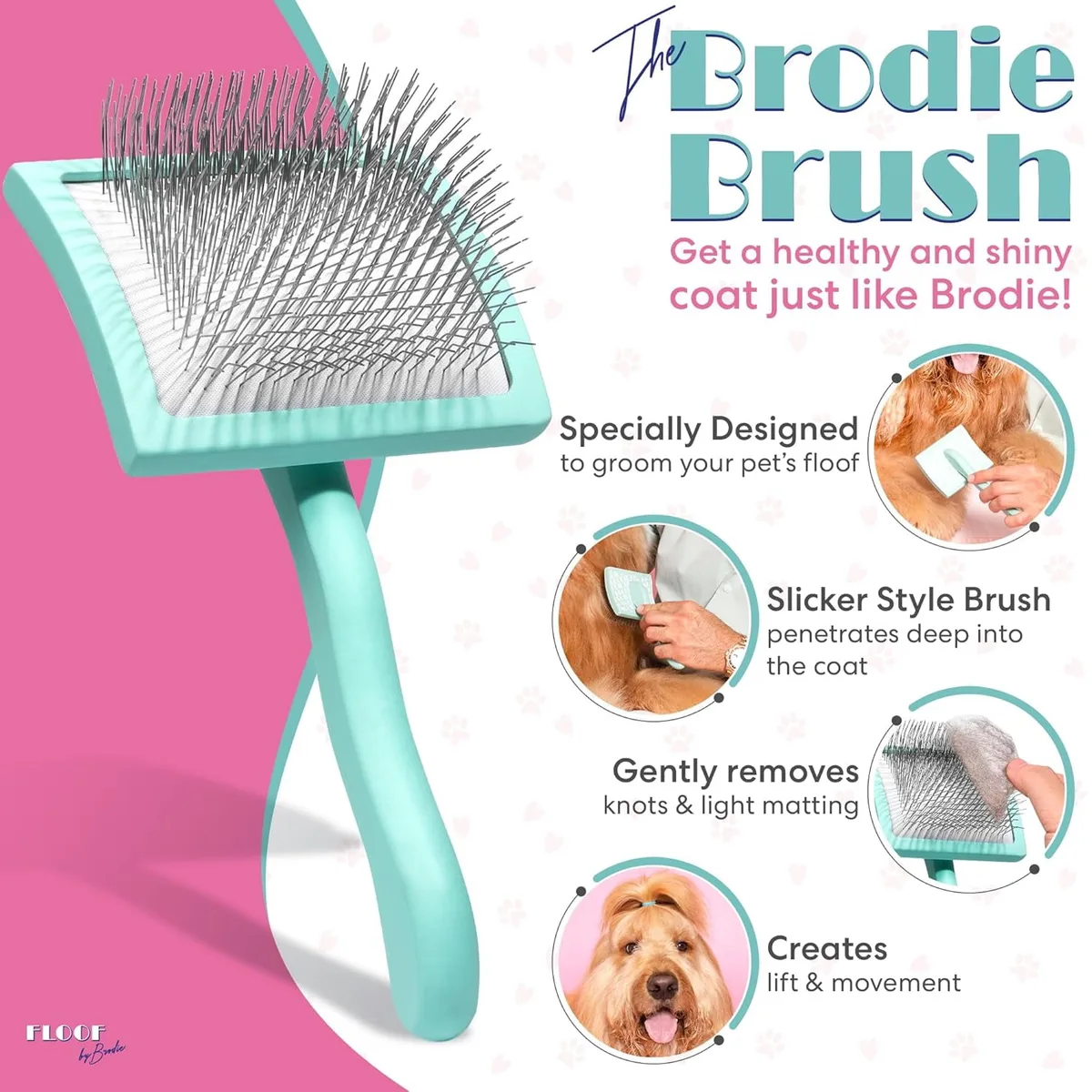
Chihuahuas come in two coat varieties, smooth and long, and each needs a slightly different approach. Knowing which one you have determines your brushing frequency and technique. It also shapes how often you need to watch for tangles and mats.
Smooth-Coat Chihuahuas
Smooth coats are short and lie close to the body. They shed, just less visibly than long coats. Brushing two to three times per week with a soft bristle brush removes loose hair and distributes natural oils that keep the coat shiny.
A weekly pass with a slicker brush helps catch any embedded dirt or fleas.
The technique here is simple. Brush in the direction of hair growth, with gentle pressure, starting at the neck and working toward the tail. Pay attention to the chest and belly, where loose fur tends to gather.
Smooth-coat Chihuahuas rarely mat, so this is quick maintenance rather than intensive grooming.
Long-Coat Chihuahuas
Long coats are another story. These dogs have silky, flowing fur that tangles easily, especially behind the ears, under the armpits, and around the rear. Daily brushing is ideal, and every other day is the absolute minimum if you want to avoid painful mats.
Start with a slicker brush to work through tangles gently. Begin at the tips of the hair and work upward toward the skin, never ripping through a knot. If you hit a stubborn tangle, use a detangling spray and work it through with your fingers first.
Follow with a soft bristle brush to smooth the coat and catch anything the slicker missed.
If your long-coat Chihuahua develops mats that you can't brush out, don't grab the scissors. Their skin is paper-thin, and a slip can mean a cut that needs stitches. Instead, use a dematting tool carefully, or see a professional.
A matted coat that's left too long can cause skin irritation, infections, and even restrict movement.
Step-by-Step Bathing Without the Battle
Bathing a Chihuahua seems simple, but it's where many home groomers go wrong. Over-bathing strips natural oils and causes dry, itchy skin. Under-bathing leaves dirt and odor behind.
The sweet spot is every three to four weeks, though you can spot-clean between baths with grooming wipes if they roll in something unpleasant.
Preparing for the Bath
Brush your Chihuahua thoroughly before the bath. Wet hair mats faster, and a pre-bath brush removes loose fur and tangles that would otherwise become impossible knots. Place a non-slip mat in the sink or tub, because Chihuahuas panic on slippery surfaces.
Have everything within reach, shampoo, conditioner, towels, and a cup for rinsing, before you bring the dog in.
Use lukewarm water between 100 and 102 degrees Fahrenheit. Test it on your inner wrist like you would for a baby. Wet your Chihuahua thoroughly but avoid spraying water directly into their face or ears.
A damp cloth works better for the head.
Washing and Rinsing
Apply dog-specific shampoo diluted with water, which makes it easier to distribute and less harsh on their skin. Massage gently through the coat, working from the neck down. Avoid vigorous scrubbing, Chihuahua skin is delicate and easily irritated.
Rinse thoroughly until the water runs clear. Leftover soap residue causes itching and dryness, and many owners don't rinse enough.
Follow with a light conditioner designed for dogs, especially if you have a long-coat Chi. Leave it on for the recommended time, then rinse again completely. This step keeps the coat soft, reduces static, and makes future brushing easier.
Drying
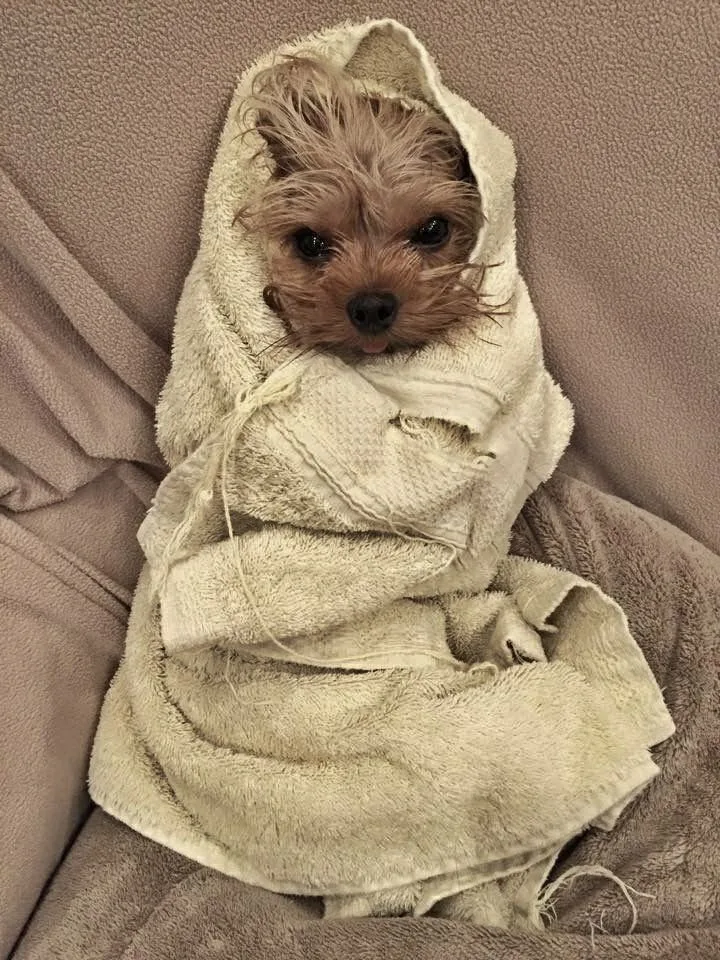
This is the most critical step, and one that's often rushed. Chihuahuas have tiny bodies and lose heat quickly. A wet Chihuahua in even a slightly cool room can start shivering, which is uncomfortable and can lower their body temperature to risky levels.
Start by squeezing excess water from the coat with your hands. Then wrap your dog in a microfiber towel and pat, don't rub, until the coat is damp rather than soaked. For a long-coat dog, follow up with a blow dryer on low heat and low speed.
Keep it moving constantly and at least six inches from the skin. Never use a high-heat setting, and never leave a wet dog in front of a fan or open window. If your Chihuahua tolerates the dryer, great.
If not, use towels and finish indoors in a warm room.
The Tricky Parts: Nails, Ears, and Teeth
This is the section that makes most owners nervous, and honestly, it's justified. These three areas are where mistakes hurt the most, for you and your dog. But with the right technique, you can handle all three safely at home.
Nail Trimming
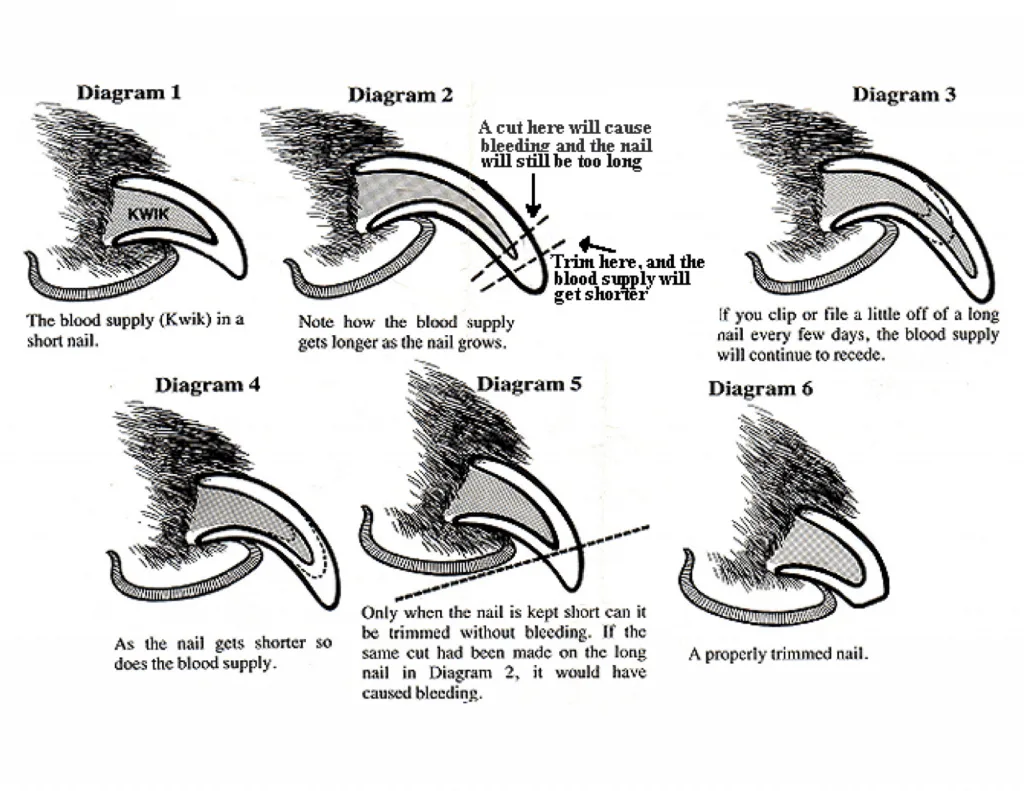
Nail length matters for Chihuahuas more than most owners realize. Overgrown nails push the toes sideways, causing discomfort, altered gait, and even long-term joint issues. If you hear clicking on hard floors, the nails are too long.
Trim every two to four weeks, depending on how fast your dog's nails grow and how much they wear down naturally. If your Chihuahua has clear or light-colored nails, you'll see the quick, the pink area inside that contains blood vessels and nerves. Cut just below it.
For dark nails, the quick is invisible, so trim tiny slivers at a time and stop when you see a gray or pinkish dot appear in the center of the cut surface.
Hold the paw firmly but gently. Position the clippers at about a 45-degree angle, cutting downward and away from the paw. If you're unsure, cut less than you think you need.
You can always trim more, but you can't undo cutting the quick.
If you do hit the quick, don't panic. Apply styptic powder to the nail tip and apply gentle pressure for 30 seconds. The bleeding usually stops quickly.
Then stop trimming for the day, even if you have other nails to do. The moment becomes stressful for your dog, and continuing risks making them fearful of future trims.
Some owners prefer a nail grinder over clippers. It takes longer but gives you more control and avoids the sharp "snip" that startles many dogs. If your Chihuahua is nervous about clippers, a grinder often works better.
Just be careful not to hold it against the nail too long, as friction creates heat.
Ear Cleaning
Chihuahuas have open, erect ears (or floppy ones in some mixes), and both types need weekly inspection. Look for redness, swelling, discharge, or a strong odor, all signs of infection that warrant a vet visit.
To clean, apply a few drops of dog-formulated ear cleaner to a cotton ball or pad. Gently wipe the visible inside of the ear flap and the opening of the ear canal. Never insert anything into the ear canal, and never use cotton swabs, which push debris deeper and can rupture the eardrum.
For floppy-eared Chihuahuas, keeping the ears dry after baths is especially important. Moisture trapped in the ear canal causes bacterial and yeast infections. After bathing, gently dry the outer ear with a cotton ball.
Some owners also use a drying solution recommended by their vet.
Dental Care
Small breeds are notorious for dental disease, and Chihuahuas top the list. Their tiny jaws crowd teeth together, creating tight spaces where food and bacteria accumulate. Without regular cleaning, plaque hardens into tartar, leading to gingivitis, tooth loss, and even heart or kidney problems from bacteria entering the bloodstream.
The gold standard is brushing daily. Use a dog-specific toothbrush with soft bristles, ideally one designed for small mouths. Use enzymatic toothpaste in a poultry flavor, which dogs actually enjoy.
Never use human toothpaste, which contains ingredients toxic to dogs like xylitol and fluoride.
If your Chihuahua resists brushing, start slowly. Let them lick the toothpaste off the brush first. Then lift their lip for a few seconds at a time.
Work up to a full brushing routine over several days. For dogs that absolutely won't tolerate brushing, dental wipes and water additives offer a lower-effort alternative, though they're less effective. Yearly professional dental cleanings under anesthesia remain the bedrock of dental health for most Chihuahuas.

