
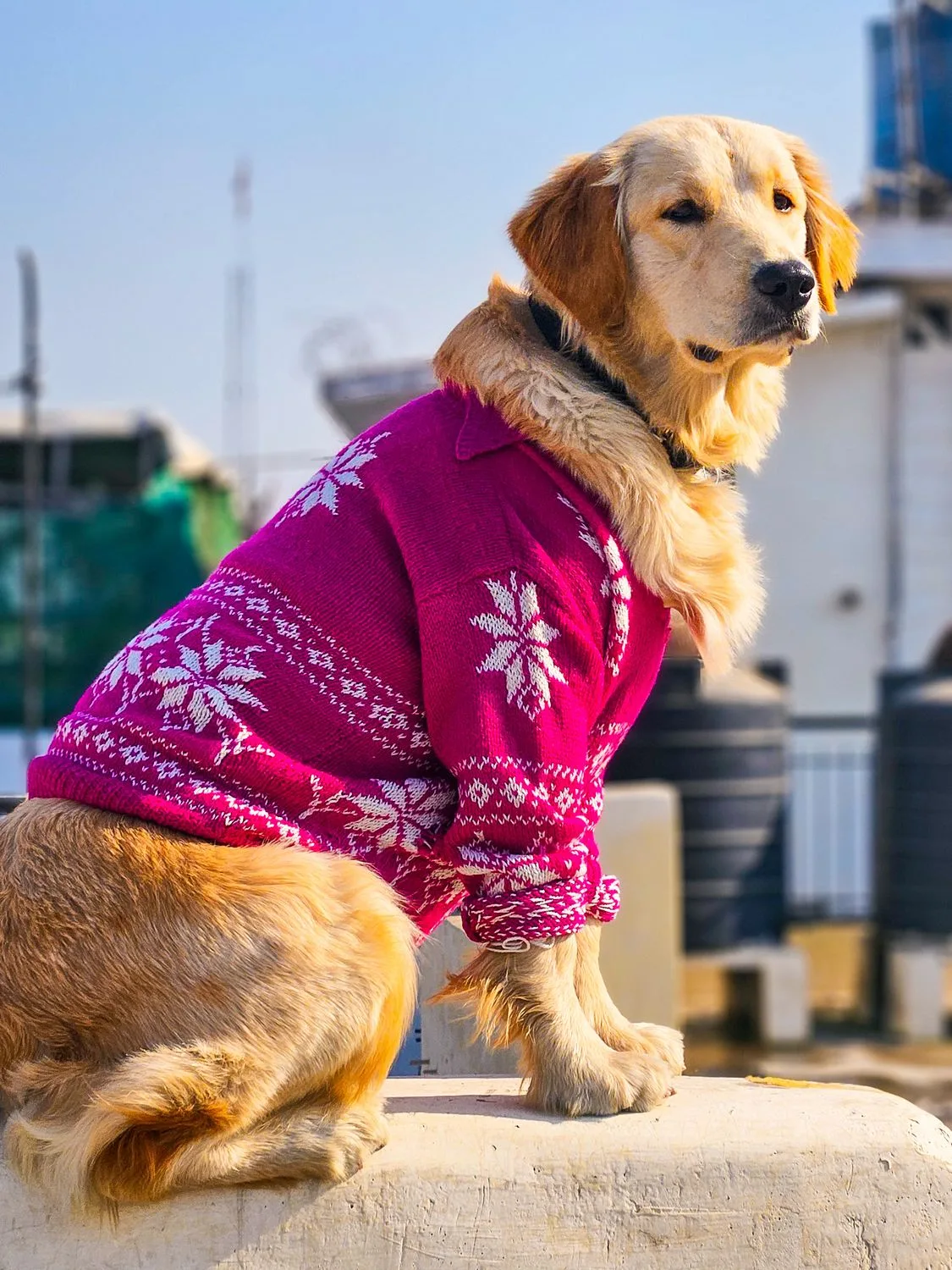
Figuring out how to measure a golden retriever for a sweater usually ends in frustration. You buy the size chart recommendation, and it fits like a sausage casing or drags on the floor. Goldens have deep chests and thick double coats that make generic sizing useless.
Per the American Kennel Club breed standard, adult males carry 31 to 36 inches of chest girth. That barrel shape breaks flat patterned clothing every time. Our research shows measuring three specific landmarks solves this problem.
Let's look at exactly where those points are.
Quick Answer
Measure your golden retriever standing squarely on all four paws. Wrap a soft tape around the widest part of the ribcage. Measure from the shoulder blades to the tail base.
Record the lower neck circumference just above the shoulders. Use these three numbers to match manufacturer charts.
why measuring a golden retriever for a sweater is harder than it looks
Golden retrievers aren't built like beagles or french bulldogs. Their conformation features a deep, barrel shaped ribcage and broad shoulders. Standard dog apparel patterns assume a relatively tubular body shape.
That assumption fails completely on a golden.
Aggregate reviews report high return rates for dog sweaters bought by size label alone. A medium in one brand fits entirely differently than a medium in another. Weight based sizing makes this worse.
A stocky 70 pound female needs different dimensions than a tall, lean 70 pound male.
Then there is the coat factor. Goldens grow a dense undercoat beneath longer guard hairs. This double coat compresses under tight fabrics but expands when the dog moves.
If you measure over the fluff without pressing through it, your numbers will run large. The sweater will hang loose and catch on branches during walks.
If your dog is older or dealing with stiff joints, a poorly fitted garment restricts their stride. Cold weather already aggravates arthritis in senior dogs. You want warmth without limiting mobility.
Proper measurements guarantee both. For more on keeping your home clean after outdoor winter walks, managing shed fur indoors saves a lot of headaches.
the 3 measurements that actually matter (and where to find them)
You only need three numbers to get a perfect fit. Chest girth, back length, and neck girth. Forget weight entirely.
These three physical dimensions dictate how fabric sits on a deep chested dog.
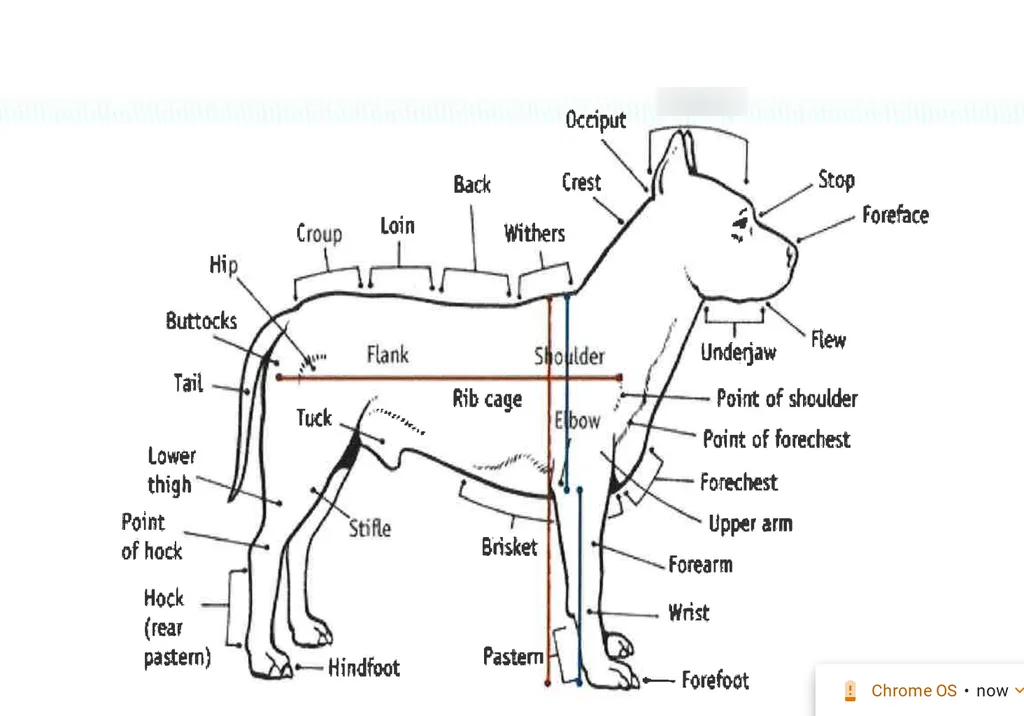
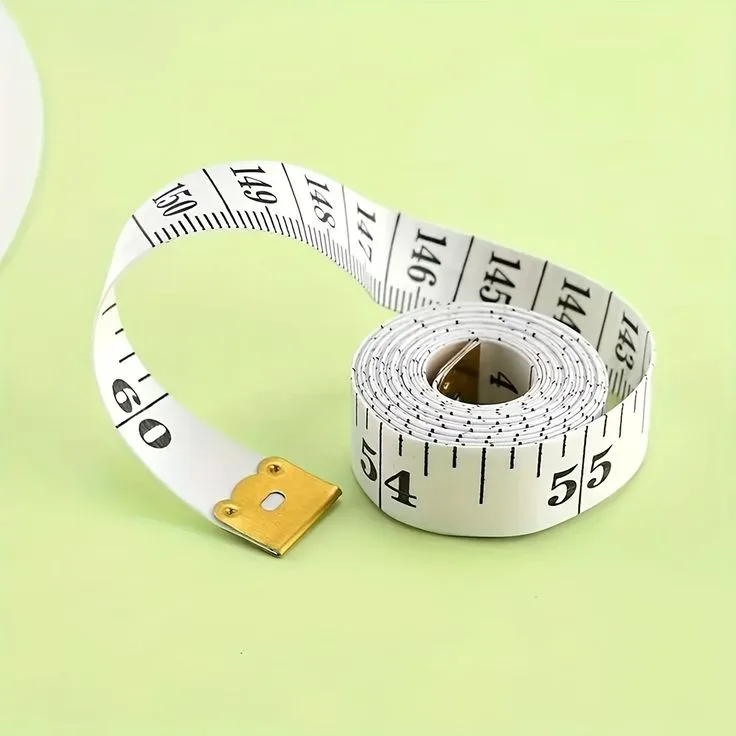
Always use a soft tailor's measuring tape. Hardware store metal tapes won't wrap around a curved ribcage properly. If you don't own one, use a piece of string and measure it against a rigid ruler afterward.
neck girth: finding the base, not the collar line
Neck girth is the circumference where the sweater neckline will rest. Don't measure where the everyday collar sits. That spot is too high up near the throat.
Feel down the neck until you hit the slope of the shoulders. Wrap the tape snugly around this thickest lower section. Slide two fingers under the tape.
That gap ensures the knit won't choke them when they pull forward on a leash.
Part the heavy mane fur before wrapping the tape. You need the measurement against the skin or hair base. Adding an extra inch helps if your golden has an exceptionally thick ruff.
chest girth: measuring through the double coat
Chest girth is the single most important number. It measures the widest part of the ribcage. Find the deepest point right behind the front legs.
Wrap the tape completely around the body here. Keep it level across the spine so it doesn't dip on one side. Press firmly enough to flatten the undercoat slightly.
Apply the two finger rule again. If your golden falls between sizes on a manufacturer chart, always size up. A tight chest restricts breathing and causes severe armpit chafing.
Deep chests demand stretch fabrics or ribbed side panels to accommodate movement.
back length: from the withers to the tail set
Back length determines where the sweater hem lands. Start at the withers. That is the prominent bony bump where the shoulder blades meet the spine.
Run the tape straight down the center of the back. Stop exactly at the base of the tail where it joins the body. Never measure all the way to the tail tip.
A sweater extending past the tail base interferes with bathroom breaks. Nobody wants to wash urine out of merino wool. Stopping one or two inches short of the tail base often provides better clearance for active dogs.
| Measurement Point | Where to Start | Where to End | Fit Rule |
|---|---|---|---|
| Neck Girth | Lower neck base | Full circle | Two finger gap |
| Chest Girth | Widest ribcage | Full circle | Size up if unsure |
| Back Length | Withers bone | Tail base | Stop before tail |
getting your golden to stand still long enough to measure
You can't measure a dog that is sitting, lying down, or pacing. Posture changes every dimension significantly. Your golden must stand squarely on all four paws with weight distributed evenly.
Tire them out first. A ten minute play session or a quick walk burns off anxious energy. Bring them inside and let them settle for a moment before grabbing the tape.
Use high value treats to keep their head facing forward. Smearing peanut butter on a lick mat stuck to a wall works perfectly. It anchors their attention while you wrap the tape around their ribs.
If your dog wiggles constantly, split the task up. Measure the neck on Tuesday and the chest on Wednesday. Forcing an anxious dog into stillness creates negative associations with clothing.
Patience yields accurate numbers. Having someone else handle daily pet routines while you focus solely on measuring speeds things up.
reading dog sweater size charts without guessing
Manufacturer specifications indicate that sizing varies wildly between brands as of 2026. Never trust a generic small, medium, or large label blindly. Always match your raw inch measurements to their specific dimension chart.
Prioritize chest girth above everything else. If the chest fits but the back is slightly long, the sweater still functions fine. If the chest is too tight, the garment is unwearable regardless of other dimensions.
Look for wide stance armhole placement on the chart. Goldens have broad shoulders that require wider front cutouts. Narrow armholes rub directly against the axilla and cause friction alopecia.
Check the fabric composition listed by the manufacturer. Natural fibers like cotton or bamboo breathe well against a thick double coat. Synthetic fleece traps heat and moisture, leading to hot spots.
Match the material to your local climate and the dog's activity level.
cape coats vs. full sweaters: what works best for deep chests
Full coverage sweaters provide maximum core warmth. They wrap entirely around the ribcage and cover the belly. This style works best for senior goldens needing joint relief in freezing temperatures.
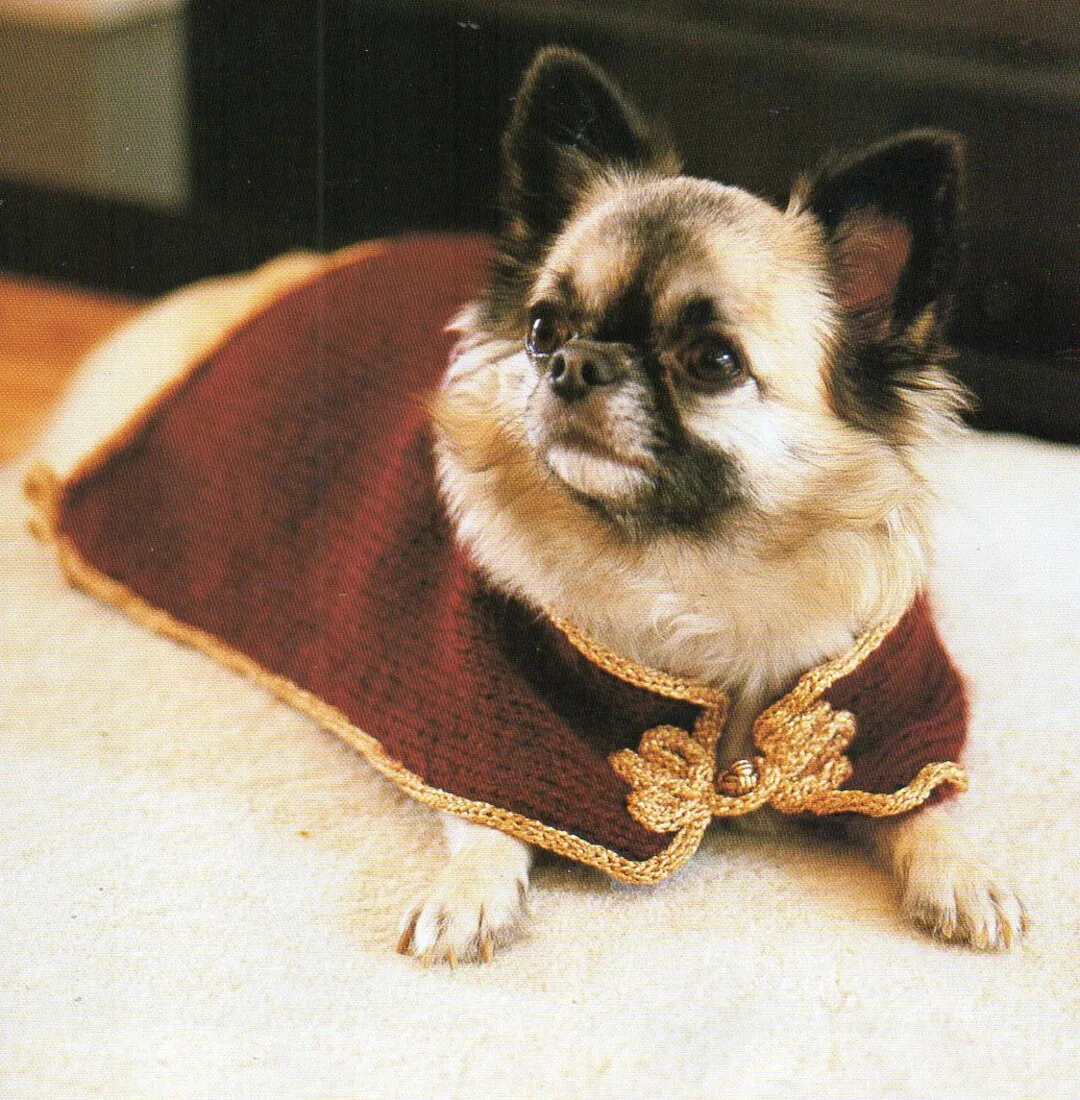
Cape style coats drape over the back and fasten underneath. They leave the front legs completely free. Active goldens who bound through woods or dig in snow benefit greatly from this unrestricted shoulder movement.
If your dog consistently ruins sweaters by stretching out the armholes, switch to a cape. Harness style sweaters offer a middle ground. They integrate leash attachment points while reducing fabric bulk around the legs.
Choose capes for high intensity outdoor exercise. Choose full sweaters for low intensity walks or indoor lounging. Both require the same back length measurement to prevent bathroom interference.
Understanding canine breed standards helps explain why certain cuts suit specific conformations better.
common fitting mistakes that cause chafing or bathroom messes
Most sweater problems trace back to one missed measurement. If the chest girth is too tight, the fabric pulls forward. That tension forces the armholes directly into the armpits.
Veterinary dermatology resources confirm that constant friction in the axilla causes hair loss and raw skin. Goldens have sensitive skin hidden under heavy feathering. You might not notice the rubbing until they start licking their front legs obsessively.
If you spot red marks after taking the sweater off, the chest is too small. Switch to a wider cut or size up immediately. Ribbed side panels stretch with movement and prevent this exact problem.
Back length errors create a completely different headache. A sweater extending past the tail base covers the perineal area. Male dogs will soak the hem every time they lift a leg.
Female goldens aren't immune either. A long belly panel drags through snow and mud during squats. Always verify that the garment stops at least two inches before the tail set.
Male anatomy requires specific attention. Standard tubular sweaters lack a dropped belly cutout. Without that clearance, urine wicks backward into the knit fabric.
Look for brands offering male specific patterns if your golden lifts his leg high.
Ignoring seasonal coat changes ruins fits fast. A sweater measured in August on a blown out summer coat will be dangerously tight by January. The winter undercoat adds significant bulk around the ribs and neck.
Our research suggests adding half an inch to your winter measurements. This accounts for peak fluff without creating a loose drape. Brush the dog thoroughly before putting any garment on to avoid packing dead hair into painful mats.
Snag hazards matter for active dogs. Loose threads catch on branches during hikes. Tighten up any dangling yarn ends before heading outside.
For owners managing multiple pets, keeping track of household care routines helps maintain clean gear. Sweater maintenance ties directly into overall home hygiene when shedding season hits.
Frequently Asked Questions
Should I measure my golden retriever sitting or standing?
Always measure your dog standing squarely on all four paws. Sitting compresses the ribcage and shortens the spine. Those distorted numbers lead to a sweater that rides up or restricts breathing.
Have someone hold them gently while you take the tape readings.
How do I account for a thick winter undercoat?
Part the fur firmly until the measuring tape touches the skin or hair base. Don't just wrap it over the fluffy exterior. If buying for deep winter, add half an inch to your chest and neck girth numbers to accommodate maximum coat density.
What if my golden falls between two sizes on the chart?
Always size up based on the chest girth measurement. A slightly longer back is manageable, but a tight chest restricts breathing and causes severe armpit chafing. Deep chested breeds like goldens need that extra room across the ribcage to move naturally.
Why does the sweater keep riding up my dog's back?
This usually means the chest girth is too large or the armholes are poorly placed. If the sweater shifts constantly during walks, the fabric lacks enough tension to stay anchored. Check if the brand offers wide stance sizing designed specifically for broad shouldered sporting breeds.
Can I use a metal construction tape measure instead?
Metal tapes don't bend smoothly around a curved barrel chest. They leave gaps and produce inaccurate readings. Use a soft tailor's measuring tape meant for sewing.
If you only have rigid tools, wrap a piece of string around the dog first and measure the string flat.
Do male and female goldens need different sweater cuts?
Males generally require a deeper belly cutout to clear their anatomy during urination. A standard tubular cut often soaks up urine on male dogs. Verified buyer feedback reports that gender specific patterns prevent this issue entirely.
Females typically fit standard unisex cuts without modification.

